Facial Istanbul: Professional Facial Treatments and How to Choose
Facial Istanbul: Professional Facial Treatments and How to Choose
Facial Istanbul searches often begin with a simple question: where can I find a professional facial that matches my skin, schedule and expectations? In Istanbul, the word facial can mean a gentle cleansing appointment, a device-assisted service, a peel or a more comprehensive personalised protocol. This guide explains how to choose without relying on unsupported “best” claims, invented device details or one-size-fits-all treatment promises.
We focus on what the service actually involves, which questions matter before booking, how to distinguish cosmetic care from medical diagnosis and how to prepare for a clear consultation. A worthwhile appointment is one in which you understand the rationale as well as the price.
What a professional facial in Istanbul actually means
A professional facial is not one universal procedure. The term describes a consultation-led selection of cleansing, skin conditioning and, when appropriate, exfoliation or other techniques. A basic appointment may focus on gentle cleansing and moisturising. Other sessions may involve hydradermabrasion-style care, professional peel products or a tailored combination. Their effects, contraindications, aftercare and suitability differ. That is why the first question should not be “Which machine is the best?” but “What is my skin concern, and which level of intervention is appropriate?”
An individual who wants a comfortable appearance before a trip or dinner may benefit from conservative care that respects the skin barrier. Another person with recurrent inflamed lesions, unexplained discoloration or a changing skin lesion needs a medical assessment rather than an advertised facial package. Treatment names are useful starting points, not diagnoses. A professional should distinguish cosmetic improvement from conditions requiring a dermatologist and explain when treatment should be postponed.
Choose a facial by your actual goal
Before booking, identify the specific outcome that matters. Are you seeking a refreshed look for a special event, less visible surface dryness, a comfortable cleansing session or guidance on congested areas? Each goal suggests different questions. Dehydration describes a shortage of water in the outer skin layers and is not identical to having a naturally dry skin type. Congestion can include comedones, but active inflammatory acne deserves a different approach from a gentle maintenance facial. Uneven tone can result from several processes, and treating all pigment changes as cosmetic discoloration is unsafe.
A useful consultation should ask what you already use at home and how your skin responds. Recent exfoliating acids, retinoids, prescriptions, sun exposure, allergies, previous procedures and upcoming travel can materially change the plan. There should be a clear way to choose a milder option or decline an unsuitable treatment.

What happens during skin assessment?
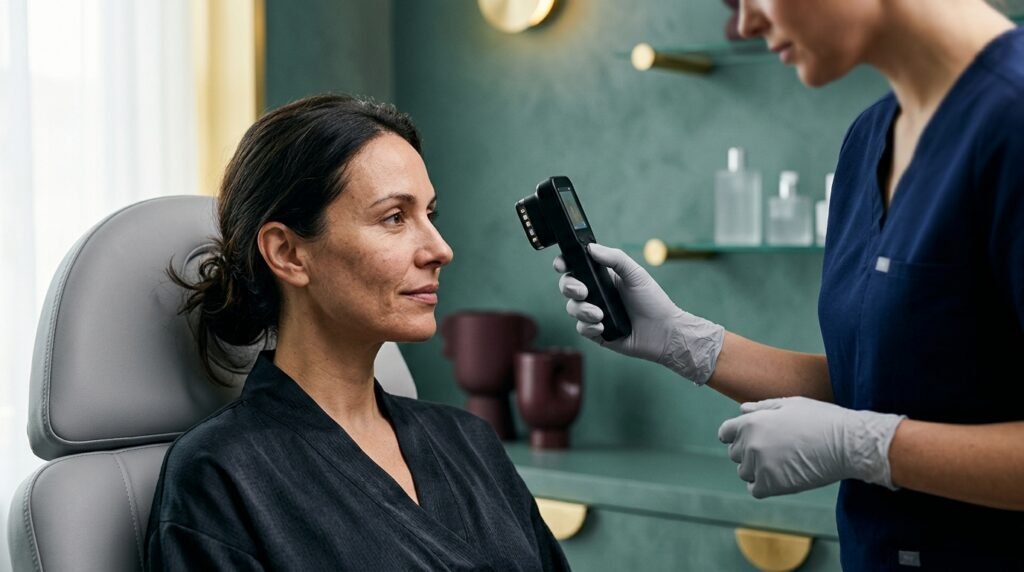
An assessment begins with a discussion, not a scanner score. A professional can review goals, relevant history, recent irritation and visible features such as surface flaking, oiliness, redness and uneven tone. Comfortable, consistent lighting and photographs can help document appearance, but photographs do not diagnose a skin disease. A hand-held magnifier or optional non-invasive skin measurements may add context; results can vary with room conditions, product residue and operator technique. They must not override symptoms or clinical judgement.
Ask for a practical summary of the findings: what appears cosmetic, what is uncertain, which intervention is proposed and why. If the explanation relies entirely on a device rating, or promises to reverse all visible concerns in one session, ask for a more specific rationale. Persistent rashes, painful acne, broken skin, infections or suspicious lesions should be assessed by a qualified medical professional.
Gentle cleansing and barrier-support facials
For someone who wants maintenance without intensive resurfacing, an appointment can prioritise a gentle cleanse, appropriate hydration and moisturising support. The aim is often to improve comfort and the immediate appearance of the surface rather than produce structural skin change. A calming mask may be appropriate when its ingredients, contact time and suitability are known. More product is not automatically better; layering fragrances, acids and multiple actives may create unnecessary irritation.
People who report stinging with everyday moisturisers, severe redness or recurrent eczema-like symptoms require extra caution. Even a treatment marketed as gentle can irritate sensitive skin. The provider should ask about contact allergies, avoid unneeded friction and provide clear guidance about what to do if burning or itching occurs. The American Academy of Dermatology advises stopping a facial mask when itching, burning or stinging develops; this principle is relevant to any optional product used during a treatment.
Hydradermabrasion-style facials and Hydrafacial
Hydradermabrasion is a broad category of assisted facial treatments. Hydrafacial is a specific branded treatment system, not a generic label for every suction device. Its manufacturer describes a combination of cleansing, exfoliation, extraction and hydration through its proprietary platform. A clinic advertising Hydrafacial should be able to identify the actual device and explain the steps included in the booked option. A photograph of a similar-looking machine is not proof that the platform is Hydrafacial.
Neither device branding nor a product’s popularity establishes that every visitor is a suitable candidate. Extraction intensity, skin sensitivity and the rest of the treatment matter. The safest choice is the one with an honest explanation of the expected experience, possible temporary redness and any limits. Do not assume a mesoestetic, Schrammek or Rejuvi product is an official Hydrafacial booster merely because a clinic uses those brands in other professional protocols.
Professional peels are not interchangeable with facials
A professional peel may be considered for selected cosmetic concerns, but its strength and depth determine preparation and recovery needs. A superficial peel is different from a medium or deep peel; these should not be grouped under the same “no downtime” promise. The American Academy of Dermatology recommends discussing medical history, previous isotretinoin exposure, medications, cold sores, scarring tendencies, skin tone and aftercare before a chemical peel. Some treatments require a dedicated medical consultation and careful timing.
If an appointment is days before a wedding, presentation or return flight, a more aggressive peel is not automatically the most useful option. Visible flaking, redness and pigment changes can be harder to manage than expected. A reputable provider should tell you whether a gentle facial, home-care guidance, a later appointment or medical referral is a better fit.
Blackheads and congested pores
Blackheads are open comedones, not dirt that can be permanently scrubbed away. They can be confused with other normal features of pores, so it is important to assess the skin before extraction. Overly forceful squeezing or abrasive methods can damage the surface, worsen inflammation and leave marks. A session focused on congestion should explain where extraction is appropriate, how hygiene is managed and when inflamed lesions should be left alone.
For people who repeatedly experience comedones or acne, a sustainable home routine and, when necessary, medical treatment matter more than a single extraction appointment. Results from a professional facial can be temporary because oil production and the processes that contribute to clogged pores continue. Avoid anyone promising to make pores close permanently.
Sensitive, reactive and redness-prone skin
Self-described sensitive skin may reflect several different situations: an impaired skin barrier, irritating products, allergies, a diagnosed skin condition or an undiagnosed inflammatory problem. Each changes the safest approach. Someone who has had a strong reaction to a mask should mention the product and the symptoms; a provider should not dismiss that history as ordinary “purging.” Redness after treatment may be transient, but persistent burning, swelling or a new rash merits reassessment.
Rosacea-like flushing, active dermatitis, infection, cracking or unexplained symptoms are reasons to seek a medical opinion when appropriate. An appointment marketed for sensitive skin should not rely on vigorous exfoliation by default. Practical benefits may come from simpler cleansing, avoiding unnecessary fragrances and choosing well-tolerated moisturising care.
Facials for men and visitors to Istanbul
Facial treatment decisions should be based on the condition of the skin and the person’s goals, not on assumptions about gender. Shaving irritation, beard-area congestion or frequent product use may be relevant to a consultation, but there is no reason every man’s facial must be more aggressive. An appointment should respect comfort, privacy, hygiene and the person’s preferred level of intervention.
Visitors should allow time for assessment, questions and possible changes to their plan. Istanbul sightseeing often involves walking outdoors; sun exposure can be especially relevant after exfoliation or a peel. Plan around important photos, meetings and flights, and confirm aftercare instructions in a language you understand. If a procedure carries a meaningful possibility of delayed reaction, know how you can contact the treating provider once you have left Türkiye.
How to choose a professional facial provider in Istanbul
Look for transparent explanations of what is and is not included. Ask whether a named device is genuine, which products may be used, whether the provider can explain ingredient sensitivities and who is responsible for assessing contraindications. Training and medical titles should be checked rather than assumed from a social media profile. Clinical diagnosis and treatment of skin disease should be handled by the appropriate medical professionals.
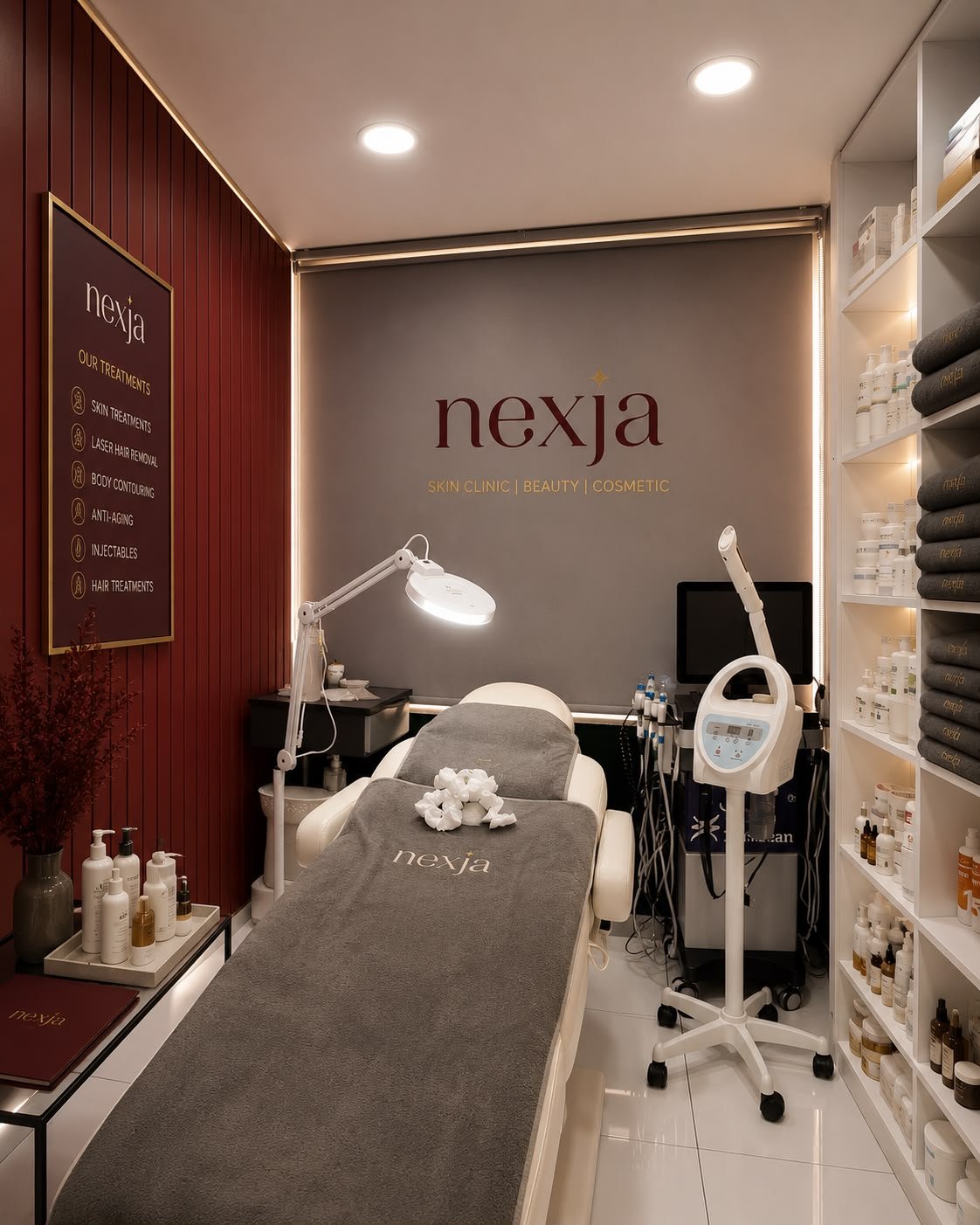
Clean workspaces and equipment handling are important, but aesthetics alone do not establish quality. A premium-looking waiting area is not evidence of safer technique. Good signs include questions about current medicines, an opportunity to decline a step, honest limits and specific aftercare. Reviews can help you understand the appointment experience, yet testimonials cannot verify that a treatment is suitable for your skin or guarantee the same result.
Professional products and the Nexja approach
A clinic may work with more than one professional skincare brand. Nexja’s Select concept describes careful curation of technologies, products and protocols rather than a promise that every formula is used in every appointment. When specific mesoestetic, Dr. med. Christine Schrammek or Rejuvi products are discussed, their exact identity and manufacturer information should be checked before making ingredient or performance claims. A brand name should never stand in for a full product list or proof of compatibility with a treatment device.
Nexja Butterflies refers to the selected people who deliver the transformation experience: the team, not a label for clients. The Nexja Experience covers the broader journey from the first enquiry through assessment, personalised planning, the appointment and aftercare. These concepts are relevant when they translate into clearer decisions and more consistent communication, not when they become substitutes for evidence or patient-specific discussion.
Preparing for a facial appointment
Bring an accurate list of medications, topical treatments and known allergies where relevant. Tell the provider about recent laser work, peeling, injectables, sunburn, cold sores and skin reactions, even if you think they are unrelated. Avoid trying several new strong products immediately before your appointment. If you have a time-sensitive event, state the date at the beginning rather than expecting the provider to infer it.
Ask for the expected steps and whether any part may involve discomfort, visible redness or shedding. Clarify whether the plan includes a branded system, manual extraction, an acid-based step or only supportive care. You should be able to change or decline part of the session after hearing the explanation. If you develop symptoms of infection or a concerning rash before the visit, contact an appropriate medical professional rather than proceeding as usual.
Aftercare and realistic expectations
A gentle treatment may leave the skin looking temporarily more hydrated or smoother. This immediate appearance does not mean that scars, pores or pigment biology have been permanently changed. Aftercare depends on the actual procedure; instructions for a peel should not be copied onto a simple cleansing appointment. Follow the treating professional’s written guidance and avoid introducing multiple unfamiliar active products immediately after a treatment.
Sun protection remains important throughout the year. Following exfoliation, the provider may advise special care with sun exposure and irritating actives. Do not pick flakes or manipulate tender skin. Severe or increasing pain, spreading redness, pus, blisters or new visual symptoms after an energy-based treatment are reasons to seek prompt clinical help. A plan should include whom to contact and what symptoms should trigger assessment.
Comparing appointments without guessing a price
The words “classic facial,” “deep cleansing,” “glow” and “premium” do not define standardised packages across providers. A price comparison is meaningful only if you know what is included, approximately how the session is structured, and whether follow-up is offered. Some services add separately priced exfoliation, devices or aftercare products, while others include those components as part of a stated protocol. Do not assume an online price represents a confirmed current quotation.
Before booking, request a current description of the service and ask how suitability will be assessed. A written response is useful when you are travelling or comparing options. If two providers use similar names but describe very different procedures, compare the procedures rather than the marketing labels.
A practical booking checklist
Use the following checklist to turn general advertising into a clear plan: identify the main concern; describe past reactions; disclose relevant medicines and skin conditions; request the exact treatment components; ask about anticipated redness, sun exposure and aftercare; and confirm who to contact if your skin reacts. If a provider cannot explain why a step is appropriate, ask to omit it or consider a different service.
For facial Istanbul searches, your best result is not necessarily the highest-intensity session. It is a procedure whose anticipated benefits, limitations, risks and logistics fit your individual situation. If a suspicious lesion, persistent inflammatory condition or infection is present, prioritise proper medical assessment. No facial should be marketed as a substitute for medical diagnosis.
Facial options compared
| Approach | Main purpose | Key question |
|---|---|---|
| Gentle cleansing and hydration | Comfort and surface appearance | Which ingredients suit my tolerance? |
| Branded Hydrafacial treatment | Device-assisted cleansing, extraction and hydration | Is the actual branded system used, and what is included? |
| Congestion-focused care | Assessment and, when suitable, careful extraction | Are there active inflamed lesions? |
| Professional peel | Controlled exfoliation when indicated | What is the depth, downtime and risk? |
These are categories for comparison, not fixed Nexja packages or promises of specific outcomes.
Frequently asked questions about facial treatments in Istanbul
Is a facial the same as Hydrafacial?
No. Facial is an umbrella term. Hydrafacial is a specific branded platform; ask whether the appointment actually uses that system. At Nexja, HydraFacial takes 45 minutes.
Which facial is best for dry skin?
A gentle, hydration-oriented option may fit some people, but identify whether the concern is dryness, dehydration, irritation or a medical condition before choosing.
Can a facial cure acne?
No. A cosmetic facial is not a substitute for medical acne care. Persistent or inflamed acne may need assessment and a longer-term plan.
Will a facial permanently shrink pores?
No facial can promise permanent pore closure. Appearance can vary with oil, hydration, texture and lighting.
Is extraction always included?
No. Ask specifically whether manual or device-assisted extraction is part of the chosen service and whether it is appropriate for your skin.
Will I be red after a facial?
Temporary redness is possible, particularly after exfoliation or extraction. The chance and duration depend on the treatment and individual response.
Is it safe to get a facial before a wedding?
Choose timing according to the procedure and your reaction history. A first-time aggressive treatment close to an event may be unwise.
Can visitors book a facial in Istanbul?
Yes, subject to the provider’s availability and individual suitability. Ask about the treatment, language support and follow-up before travelling.
Is a chemical peel just another facial?
No. Peel depth and intensity can create different risks and downtime. A medical consultation may be necessary.
Should I stop retinoids before treatment?
Do not stop prescribed medicine without appropriate guidance. Tell the provider what you use so the procedure and preparation can be assessed.
Do branded skincare products guarantee results?
No. Relevant formulation, indications, tolerability and provider judgement matter more than the logo.
Can a scanner choose my treatment?
A scanner can provide supplementary information, but it cannot replace clinical history, observation or a qualified diagnosis.
What if I have rosacea or dermatitis?
Seek appropriate medical guidance before a potentially irritating procedure, especially when symptoms are active or diagnosis is uncertain.
How do I compare facial prices?
Compare the exact services, expected duration, added procedures and aftercare rather than package names alone.
What should I do if my skin burns during a mask?
Tell the provider immediately and stop the offending product. Persistent or severe symptoms warrant medical advice.
Do results last forever?
Usually not. Temporary changes in hydration and surface appearance differ from longer-term effects, and maintenance may matter.
Are men’s facials different?
The plan should reflect skin needs such as shaving irritation or congestion rather than a rigid gender-based protocol.
How do I select a reputable clinic?
Look for honest descriptions, appropriate professional oversight, hygiene, transparent risk discussion and realistic expectations.
Can I wear makeup afterward?
That depends on the procedure and condition of the skin. Follow the specific instructions rather than a universal timeline.
Do I need multiple sessions?
Some goals may involve repeated maintenance while others need medical treatment. Never purchase a series based only on a generic promise.
Further reading and sources
Explore related, published guides on this website: Hydrafacial protocol comparisons; Facials for dehydrated skin; Professional peels in Istanbul; Sensitive-skin facial guide; Skin analysis before treatment; Acne treatment in Istanbul.
Independent and manufacturer sources used for the distinctions and safety cautions in this article: American Academy of Dermatology: questions before cosmetic treatment; AAD: chemical-peel preparation; AAD: chemical-peel FAQs; AAD: masks and skincare; and Hydrafacial manufacturer: treatment overview. A manufacturer describes its own system; it is not independent evidence for every marketing claim.
Editorial note: this article provides general educational information, not a diagnosis or a guarantee of treatment results. Product availability, procedure details and suitability must be confirmed with the treating provider.


