Facials for Dry and Dehydrated Skin in Istanbul: How to Choose
Facials for Dry and Dehydrated Skin in Istanbul: How to Choose
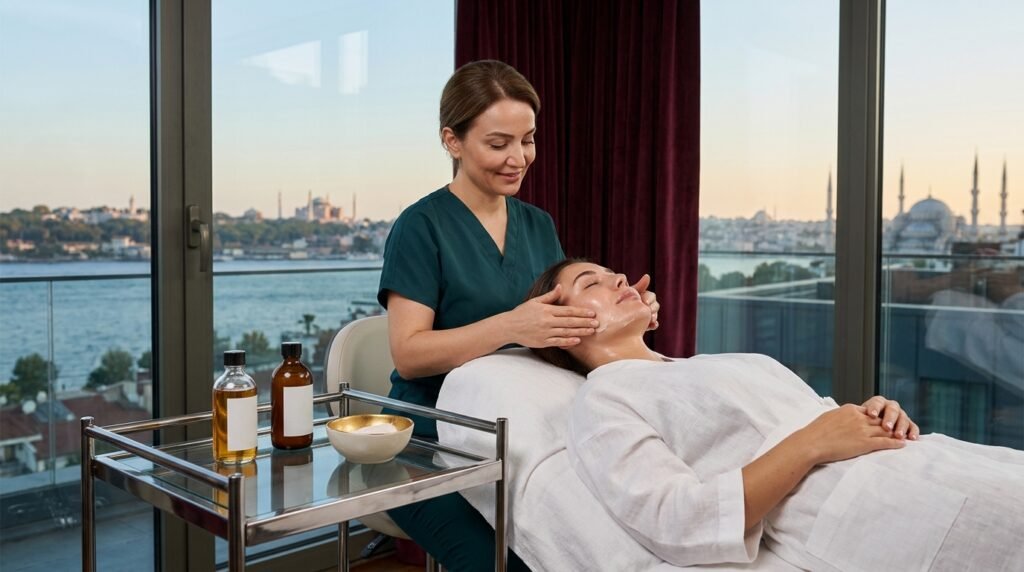
A facial for dehydrated skin Istanbul search can produce an overwhelming list of “hydrating,” “glass skin,” “oxygen,” “aqua,” “glow” and “barrier repair” treatments. The useful starting point is not the name of the facial. It is whether your skin is constitutionally dry, temporarily dehydrated, irritated, affected by a medical condition, or showing several of these patterns at once.
Dry skin and dehydrated skin are often used as synonyms in beauty advertising, but they describe different ideas. Dry skin usually refers to a tendency toward reduced surface lipids or sebum and a rough, flaky or tight feel. Dehydration describes low water content in the outer skin and can occur even when the face is oily or acne-prone. Neither term is a complete medical diagnosis. Eczema, rosacea, contact dermatitis, infection, medication effects and systemic illness can also cause tightness, scale, burning or itching, so a professional facial is not always the first or safest answer.
This evidence-based guide explains what a hydrating facial can realistically do, how humectants, emollients and occlusives work, when exfoliation helps or harms, how to plan around Istanbul’s climate and travel, and which symptoms need medical assessment. It does not assume a fixed clinic protocol or promise that one device, serum or mask is suitable for everyone.
The Quick Answer: Which Facial Is Best for Dry or Dehydrated Skin?
The best facial is the least aggressive treatment that addresses the diagnosed barrier and hydration problem without provoking irritation. For uncomplicated dehydration, that may mean gentle cleansing, controlled hydration, an appropriate emollient or occlusive finish and a calm home routine. For visibly dry, flaky skin, the plan may add carefully chosen surface softening—but not necessarily a strong peel. For burning, itching, cracking, persistent redness or recurrent rash, medical assessment may be more appropriate than any cosmetic facial.
A fast orientation
- Skin feels tight after cleansing but becomes shiny later: dehydration or an irritating routine may coexist with oily skin.
- Skin is persistently rough, flaky and low in oil: a dry-skin pattern may be present, but eczema and other causes still need consideration.
- Stinging occurs with water or bland products: barrier disruption or active inflammation may be more important than “lack of glow.”
- Redness, visible vessels and flushing dominate: consider rosacea assessment before heat, steam, massage or acids.
- Yellow crust, weeping, swelling or pain is present: postpone cosmetic treatment and seek qualified medical review.
Hydration is not a single product step. Water must be attracted to the outer skin, lipids must help smooth gaps between cells, and evaporation must be limited. A well-designed facial may combine those functions, but its effect will fade if harsh cleansing, dry air, over-exfoliation or an unsuitable routine continues.
Dry Skin Versus Dehydrated Skin
“Dry” is commonly used as a skin type, while “dehydrated” is used as a temporary condition. That distinction is helpful, but biology is more complex. Sebum, natural moisturizing factor, corneocyte cohesion, barrier lipids, environmental humidity and inflammation all influence how the face feels and measures. Different zones of the same face can have different hydration, transepidermal water loss, pH and sebum levels.
Dry-skin pattern
A dry-skin pattern often includes low surface oil, fine scale, roughness, reduced flexibility and a tendency to feel uncomfortable in cold or low-humidity conditions. Makeup may catch on flakes. The person may prefer richer creams. Genetic tendency, age, menopause, medication, over-cleansing and dermatitis can all contribute.
Dehydrated-skin pattern
Dehydration usually describes insufficient water in the stratum corneum. Skin can feel tight or look creased while still producing significant sebum. Air travel, low humidity, wind, heat, over-washing, strong surfactants, retinoids, benzoyl peroxide, acids and an impaired barrier may contribute. Drinking water is important for health but does not by itself repair a damaged facial barrier.
Why both can occur together
A person with naturally dry skin can become more dehydrated during winter or travel. An oily, acne-prone person can strip the face with foaming cleansers and develop dehydration, irritation and rebound shine. A person with eczema can have genetically and immunologically altered barrier function plus acute water loss during a flare. The facial should be selected for the complete pattern, not a single label.
Why “skin type tests” are limited
Blotting paper, a tightness questionnaire or one hydration reading can provide clues, but they do not diagnose disease. Sebum and water vary across the forehead, nose, cheeks and chin; time since cleansing and room humidity change measurements. A useful assessment combines history, visible findings, symptoms and, where available, standardized non-invasive measurements.
How the Skin Barrier Manages Water
The outermost layer, the stratum corneum, is often described as bricks and mortar: corneocytes are the “bricks,” while intercellular lipids help form the “mortar.” Natural moisturizing factor within cells binds water. Surface lipids, skin pH, microbiome and immune activity also contribute to an effective barrier.
Transepidermal water loss
Water continuously moves from deeper tissue toward the environment. Transepidermal water loss, or TEWL, is a measurement of that vapor flux. Higher TEWL can suggest barrier impairment, but it is influenced by temperature, humidity, body site and measurement technique. It is not interchangeable with a simple hydration reading.
The barrier has several functions
A 2023 review described physical, chemical, microbiologic and immunologic layers of barrier function. This matters because a moisturizer does more than make skin feel soft. By reducing gaps, supporting appropriate surface conditions and limiting excessive permeability, a suitable formula can help the barrier recover. Conversely, repeated irritant exposure can affect more than visible flakes.
Why water alone is not enough
Splashing or misting water can briefly wet the surface. In dry air, that water evaporates and may leave the face feeling tight unless it is followed by a product that helps retain it. A facial that relies on repeated misting without a thoughtful finish may deliver only transient comfort.
Why oil alone is not always enough
An oil can reduce friction and soften scale, but not every oil provides the same occlusion or barrier-lipid profile. Applying oil to severely dehydrated skin without water-binding support may feel comfortable without fully addressing the pattern. Product choice must also account for acne, allergy and sensory preference.
What a Good Facial Assessment Should Include
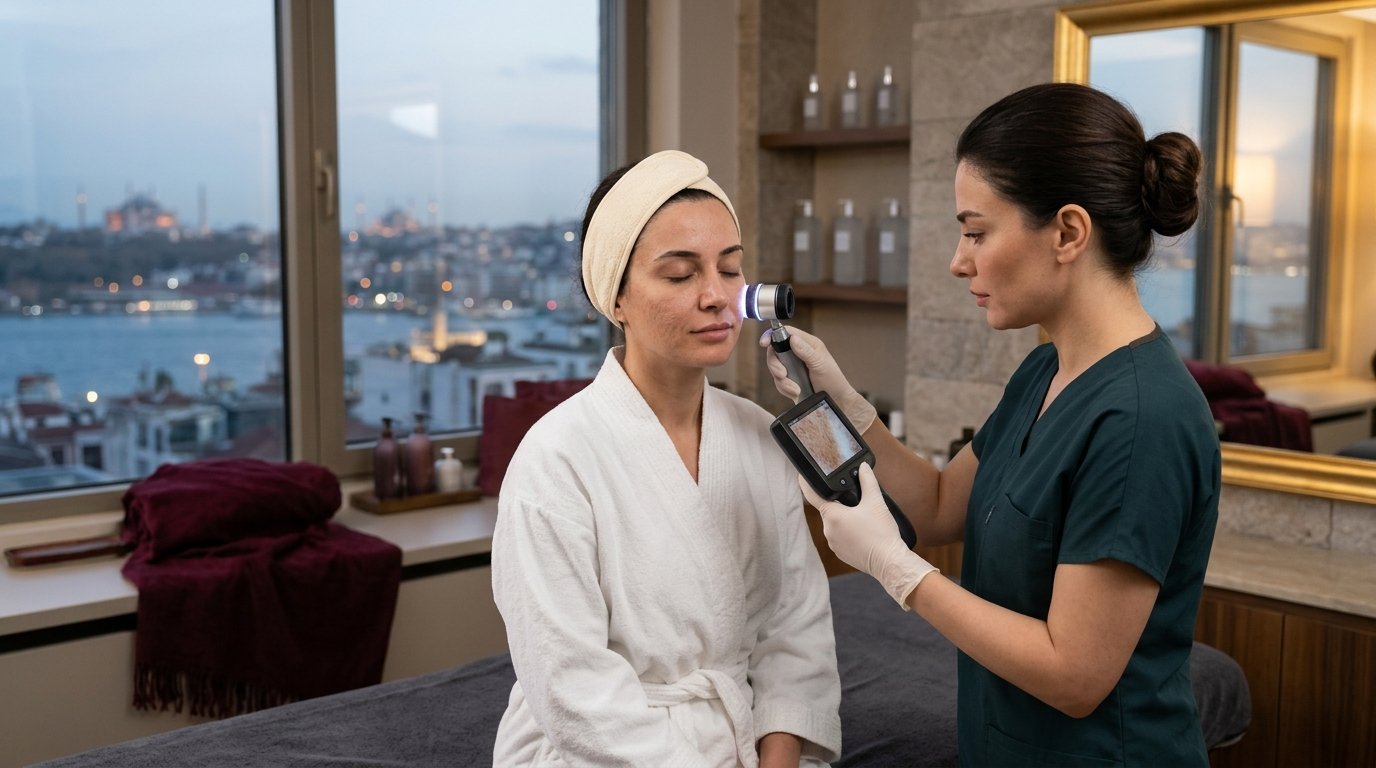
A professional assessment should occur before exfoliation, steam or device use. It begins with the person’s main concern and routine, then examines the face in neutral light. Makeup, recent cleansing and travel may temporarily alter the appearance, so context matters.
History
- When did tightness, flaking, burning or roughness begin?
- Is it seasonal, linked to travel, heating, air conditioning or a new product?
- Which cleansers, retinoids, acids, acne medicines and scrubs are used?
- Is there eczema, rosacea, allergy, asthma, psoriasis or recurrent cold sores?
- Have prescription medicines, hormones or health conditions changed?
- What reactions followed previous facials, peels or devices?
Visual and tactile clues
The assessor may note scale distribution, redness, fissures, shine, comedones, inflamed lesions, visible vessels, edema and uneven texture. Gentle touch can assess roughness and comfort, but aggressive rubbing is unnecessary. Suspicious lesions, infection and active dermatitis are not treatment opportunities.
Optional instruments
Corneometry or conductance can estimate stratum-corneum hydration; sebum meters and TEWL devices assess different variables. Readings depend on acclimatization and site. They can support documentation but should not be used to manufacture a diagnosis or to sell the most expensive package.
Define the goal
A useful goal could be “reduce tightness after cleansing,” “make makeup sit more evenly” or “support barrier comfort during winter.” “Detox the skin” or “erase pores” is too vague. The goal determines whether a calm hydrating facial, a medical opinion or simply a revised home routine is most appropriate.
Reading Symptoms Without Self-Diagnosing
Tightness, dryness and flaking are symptoms, not a complete diagnosis. Their pattern and accompanying features guide the next step.
Tightness
Tightness immediately after washing often points to cleanser intensity, water temperature or barrier disruption. Tightness with swelling, hives or difficulty breathing is a different situation and may indicate allergy requiring urgent care.
Flaking and scale
Fine, diffuse scale can accompany simple dryness. Greasy scale around the nose, eyebrows or scalp may suggest seborrhoeic dermatitis. Well-defined plaques, severe itch or recurrent cracking can indicate inflammatory disease. A facial mask cannot reliably distinguish these.
Burning and stinging
Stinging with multiple products can occur when the barrier is impaired, but rosacea or contact dermatitis may also be involved. Adding stronger acids to “remove dead skin” can worsen the problem. Persistent burning deserves medical review.
Fine dehydration lines
Superficial lines may look more visible when the stratum corneum lacks water. Hydration can temporarily soften their appearance. It cannot rebuild lost facial volume, remove fixed wrinkles or tighten substantial loose skin. The treatment description should separate these outcomes.
Itch
Itch is common in dry skin and eczema but can also accompany allergy, infection and systemic disease. Severe, widespread or night-disturbing itch should not be managed solely as a cosmetic hydration problem.
Common Causes and Triggers
Several factors can produce the same “dehydrated” appearance. Identifying the trigger often delivers more benefit than adding a complex facial.
Environment
Cold air, wind, indoor heating and low humidity increase evaporation and discomfort. Hot weather adds sweat, frequent cleansing and air conditioning. Istanbul can expose visitors to both outdoor humidity and aggressively conditioned interiors on the same day.
Cleansing and water temperature
Long hot showers, harsh soap, strong surfactants and repeated cleansing remove surface lipids. Scrubbing with brushes or textured pads adds mechanical irritation. A squeaky feel is not evidence of healthy cleanliness.
Actives and acne treatment
Retinoids, benzoyl peroxide, salicylic acid and other acne treatments can cause dryness or irritation, particularly when introduced too quickly or layered. That does not always mean the medicine should be stopped; the prescriber may adjust frequency, vehicle or supportive care.
Professional procedures
Peels, lasers, microneedling, waxing and energy treatments temporarily alter the barrier. Scheduling an exfoliating facial before recovery is complete can prolong inflammation. Provide dates and aftercare instructions from previous procedures.
Age and hormones
Sebum production, epidermal turnover and lipid composition change with age and hormonal status. Menopause, for example, can alter dryness and sensitivity. A richer formula may become appropriate, but sudden severe change still deserves medical evaluation.
Medical and medication causes
Atopic dermatitis, contact dermatitis, psoriasis, thyroid disease, diabetes and other conditions can contribute to dry skin. Diuretics, retinoids and some cancer treatments are examples of medicines that may affect skin. A facial does not replace diagnosis or treatment of the underlying cause.
What a Professional Hydrating Facial Can Do
A well-selected facial can cleanse without excessive stripping, temporarily increase surface hydration, soften scale, reduce friction, improve comfort and create a simpler aftercare plan. The value is not only the products applied; it is the assessment, controlled sequence and decision to avoid unnecessary stimulation.
Immediate comfort
Humectant and emollient steps can make the stratum corneum feel more flexible. A finishing occlusive can reduce evaporation. The skin may appear smoother because superficial cells are better hydrated, not because deep wrinkles or laxity have been permanently corrected.
Routine reset
A consultation can identify overlapping retinoids, acids, scrubs and fragranced products. Removing irritants and agreeing on a minimum routine often provides more durable improvement than adding another serum.
Supervised reintroduction
Once discomfort settles, products can be reintroduced one at a time. This helps identify triggers and reduces the confusion of changing five steps together. The facial visit can establish a baseline, while consistent home care drives maintenance.
Preparation for another procedure
Barrier conditioning may be useful before an elective peel or device treatment, but it is not a guarantee against complications. Timing must be coordinated with the clinician performing the later procedure. “Hydration prep” should not be used to rush an unsuitable person into treatment.
What a Facial Cannot Do
A cosmetic facial cannot diagnose every rash, cure eczema or rosacea, correct a systemic cause of dryness, remove deep wrinkles, permanently shrink pores or replace prescribed treatment. It cannot “push water into the dermis” in a lasting way simply through a mask. Claims should stay at the level of temporary surface hydration, comfort and supported barrier care unless stronger evidence exists for the exact intervention.
No permanent hydration
The outer skin continually renews and encounters washing, weather and products. Even a good result fades without appropriate home care. Long-term improvement depends on reducing triggers and repeating a suitable moisturizer, not on trapping the client in frequent facials.
No universal detoxification
The liver, kidneys and other organs handle systemic detoxification. Sweat, massage or a mask does not extract unspecified toxins through pores. If a treatment improves appearance, describe the observable mechanism—cleansing, hydration, exfoliation or reduced scale.
No guaranteed “barrier repair” in one session
Barrier recovery is biological and can take time. A facial may create a supportive environment, but persistent dermatitis requires diagnosis and may need medication. Immediate smoothness from silicones or occlusives should not be mistaken for complete repair.
Humectants: Attracting and Holding Water
Humectants are ingredients that bind water. Common examples include glycerin, hyaluronic acid, urea, sodium PCA, panthenol and some sugars. Their performance depends on concentration, formulation, ambient humidity and the other components around them.
Glycerin
Glycerin is a well-established humectant used across many moisturizer types. It can increase water content and support flexibility of the stratum corneum. A product’s overall formula matters more than the prestige of one ingredient.
Hyaluronic acid
Topical hyaluronic acid is a water-binding polymer, not the same as an injectable filler. Molecular size and formulation influence film formation and feel. It can improve temporary surface hydration but does not replace lost facial volume or deliver a permanent plumping effect.
Urea
At lower concentrations, urea can act as a humectant; at higher concentrations it can have keratolytic effects. It may sting on fissured or inflamed facial skin. The concentration and treatment area should therefore be disclosed rather than described only as “urea therapy.”
Humectants need context
In low humidity, a humectant-heavy formula may feel insufficient without emollient and occlusive support. This is why a balanced moisturizer often outperforms a single-ingredient serum. More layers do not always mean more hydration.
Emollients: Smoothing the Surface
Emollients fill spaces between rough corneocytes and improve slip, softness and flexibility. They include many plant oils, fatty acids, fatty alcohols, esters, squalane and silicones. “Alcohol” on an ingredient list is not automatically drying: fatty alcohols such as cetyl or stearyl alcohol behave differently from volatile alcohols.
Choosing for acne-prone skin
Acne-prone people still need moisturization. Choose texture and ingredients based on individual tolerance rather than a rigid comedogenicity chart, because finished formulations and real-world use differ. Apply one new product at a time and monitor lesions over weeks, not hours.
Choosing for sensitive skin
Fragrance, essential oils and botanical extracts can irritate or sensitize some people, even when described as natural. A shorter ingredient list is not automatically safer, but a bland, fragrance-free formula is a sensible starting point for active sensitivity.
Plant oils are not interchangeable
Oils differ in fatty-acid profile, oxidation stability and allergen potential. An oil that feels elegant on one person may trigger acne or dermatitis in another. A professional facial should not assume that “natural” means hypoallergenic.
Occlusives: Reducing Evaporation
Occlusives create a surface film that reduces water loss. Petrolatum is a classic example; dimethicone, waxes, lanolin derivatives and some oils also provide varying degrees of occlusion. Occlusion can be extremely useful for dry or barrier-impaired skin, but heaviness and tolerance vary.
When occlusion helps
Applying an appropriate occlusive over damp skin or a humectant layer can help retain water. Rich ointments often suit very dry, non-acne-prone areas and nighttime use. The AAD commonly recommends creams or ointments rather than thin lotions for significant dryness or eczema-prone skin.
When caution is needed
Occlusion can increase penetration of ingredients applied beneath it, including irritants or medicines. Heavy layers may feel uncomfortable in hot weather and can aggravate follicular problems in susceptible people. Active infection, weeping dermatitis and perioral dermatitis require professional guidance rather than improvised slugging.
“Slugging” is not a universal facial protocol
Social-media slugging usually means applying a petrolatum-like layer. It can reduce TEWL, but it does not treat every cause of tightness. Applying it over strong retinoids or acids may increase irritation. The sequence should be adjusted to the person’s diagnosis and routine.
Cleansing Choices for Dry and Dehydrated Skin
Cleansing removes sunscreen, makeup, pollutants, sweat and excess sebum, but it can also remove lipids and disturb proteins in the stratum corneum. The goal is sufficient cleansing with the least unnecessary disruption.
Gentle cleanser characteristics
A gentle cleanser generally uses mild surfactants, an appropriate pH and a formula that rinses without leaving the face squeaky or tight. Cream, milk, balm and low-foaming formats can work, but format alone does not guarantee mildness. Fragrance and essential oils may be unhelpful when the skin is reactive.
Double cleansing
Double cleansing may help remove water-resistant sunscreen or heavy makeup, but it is not compulsory. Two aggressive cleansers can double irritation. A first oil or balm step followed by a mild water-based cleanser may be reasonable if tolerated; otherwise one effective cleanser may be enough.
Professional extraction and cleansing devices
Suction, brushes, spatulas and extraction are not hydration treatments. They may be unnecessary on fragile, dry or inflamed skin. If comedones coexist, the practitioner should treat them selectively rather than subject the whole face to friction. Painful inflamed acne should not be mechanically extracted.
Water temperature and time
Warm—not hot—water and brief contact reduce lipid removal and flushing. Steam is not required to “open pores”; pores do not open and close like doors. Heat may feel relaxing but can aggravate rosacea, eczema and dehydration in some people.
Exfoliation: When It Helps and When It Harms
Dry skin can accumulate visible scale, creating pressure to exfoliate aggressively. Yet scale may be a sign of barrier disruption or dermatitis. Removing it by force can expose more vulnerable skin and increase water loss.
Physical exfoliation
Scrubs, brushes, microdermabrasion and textured cloths remove surface cells mechanically. Gentle use may smooth uncomplicated roughness, but repeated pressure can cause micro-injury, redness and pigment change. Inflamed, fissured or burning skin should not be polished.
Alpha and polyhydroxy acids
Lactic acid can provide both exfoliating and humectant properties depending on concentration and pH. Glycolic acid penetrates efficiently and can irritate. Polyhydroxy acids such as gluconolactone are often discussed as gentler options, but “gentle” is not “risk-free.” Formula, exposure time and skin condition govern tolerability.
Enzymes
Enzyme products can loosen surface keratin but may still sting or trigger allergy. Fruit imagery does not establish safety. Professional strength, pH and additional acids should be disclosed.
Signs of over-exfoliation
- Burning with water or bland moisturizer.
- Persistent shine with tightness and fine cracking.
- New diffuse redness, itching or sensitivity.
- Sudden intolerance to products previously tolerated.
- Worsening pigment after inflammation.
The correction is usually to stop unnecessary exfoliants, simplify care and seek medical advice if symptoms persist—not to schedule a stronger peel to remove the damage.
Masks, Serums and Finishing Products
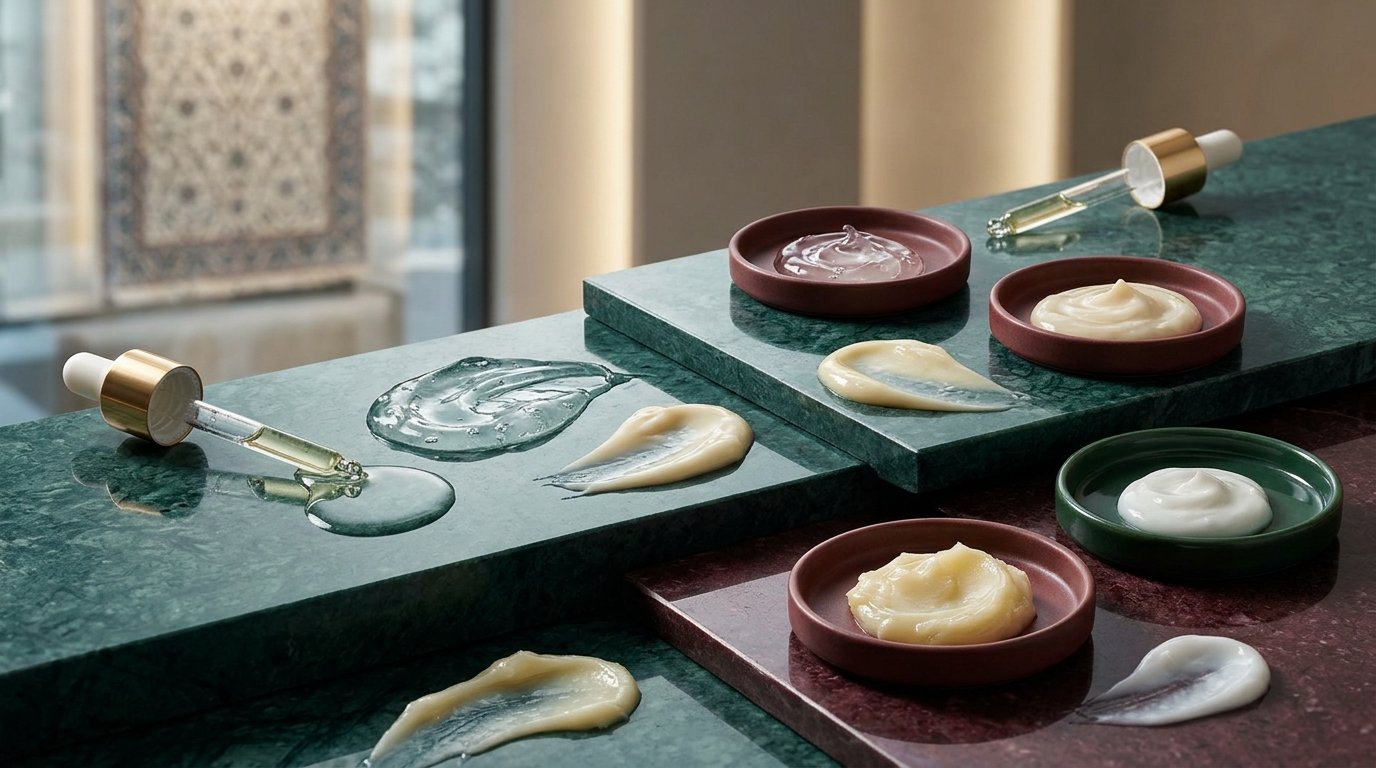
A facial may layer ampoules, serums, sheet masks and creams. The number of steps is not a quality score. A shorter protocol with compatible ingredients can be safer than a theatrical sequence of fragranced products.
Sheet and gel masks
Occlusive masks can temporarily increase hydration by slowing evaporation and keeping humectants in contact with the surface. The effect is usually short-lived. Preservatives, fragrance and botanical extracts can cause reactions, especially under occlusion.
Serums
Serums are delivery formats, not a distinct ingredient category. A hyaluronic serum may bind water; a niacinamide formula may support barrier function and tone; an acid serum exfoliates. Read the ingredient function rather than assuming every serum hydrates.
Massage products
Massage can improve relaxation and product spread but friction matters. A suitable slip agent and gentle pressure are important on dry skin. Vigorous massage is inappropriate over inflamed acne, rosacea flare, dermatitis, recent procedures or fragile vessels.
Finishing cream and sunscreen
The finish should match weather, comfort and onward plans. A rich cream may protect in cold wind but feel occlusive in humid summer. Daytime treatment should include a suitable broad-spectrum sunscreen; however, sunscreen is not a substitute for shade and protective behavior.
Comparing Professional Facial-Care Categories
Clinic menu names are not standardized. Ask what actually happens, which products are used and which steps can be omitted. The table describes categories by mechanism rather than brand.
| Category | Primary aim | Possible fit | Main cautions |
|---|---|---|---|
| Barrier-support facial | Gentle cleansing, emollient and occlusive support | Dry, tight or recently over-treated skin without active disease | Fragrance, allergens, excessive massage or occlusion |
| Humectant hydration facial | Increase water binding in the stratum corneum | Temporary dehydration and event preparation | Short-lived effect if triggers and evaporation are not addressed |
| Hydro-dermabrasion/suction facial | Cleansing, controlled exfoliation and serum delivery | Selected mixed or congested skin when settings are conservative | Suction and acids can irritate fragile, rosacea-prone or eczematous skin |
| Enzyme or mild-acid facial | Loosen surface scale and improve smoothness | Uncomplicated roughness with intact barrier | Burning, dermatitis and pigment change; concentration/pH matter |
| Rich cream or mask ritual | Reduce friction and evaporation; improve comfort | Low-lipid dry skin | Follicular occlusion, allergy, heat and heavy fragrance |
| LED-supported facial | Light exposure for a defined indication | Only when wavelength, dose and purpose are explained | Not a moisturizer; eye safety and photosensitizing conditions matter |
| Steam-heavy extraction facial | Soften surface and remove comedones | Limited selected congestion, not dehydration itself | Heat, flushing, friction, barrier disruption and inflamed acne |
| Medical dermatology care | Diagnose and treat disease | Eczema, rosacea, dermatitis, infection or severe persistent symptoms | Not interchangeable with a cosmetic facial |
How to interpret a menu
Ask for the cleanser type, exfoliant name and concentration, whether steam or suction is used, the mask’s key ingredients, duration and aftercare. If staff cannot explain the steps without using words such as detox, oxygenation or deep hydration, the description is not yet specific enough for informed choice.
Dehydrated Skin Can Still Be Oily or Acne-Prone
Oil and water are different variables. The T-zone may produce sebum while the cheeks are dehydrated. Acne treatments may reduce oil or cell adhesion but also irritate the barrier. A person can therefore have shine, comedones and tightness simultaneously.
Avoid the strip-and-rebound cycle
Frequent foaming cleanser, alcohol-heavy toner, scrub and clay mask can create tightness without curing acne. The discomfort may encourage heavy occlusion, which then feels congesting. A balanced plan keeps proven acne treatment while adjusting cleanser, moisturizer and frequency with professional guidance.
Moisturizer is not the enemy
Acne-prone skin often tolerates lightweight humectant-emollient formulas. “Oil-free” and “non-comedogenic” labels can be helpful but do not guarantee universal tolerance. Patch use and gradual introduction provide more information than avoiding all moisturizers.
Extraction limits
Closed and open comedones may be extracted selectively by trained professionals, but deep nodules and cysts should not be squeezed. Repeated trauma increases inflammation, scarring and post-inflammatory pigment. The published guide to professional acne treatment in Istanbul explains when medical care is needed.
Sensitive Skin, Rosacea and Eczema
“Sensitive” is a symptom category, not one diagnosis. Rosacea, atopic dermatitis, seborrhoeic dermatitis, allergic contact dermatitis and irritant dermatitis require different management. A soothing label does not make a facial appropriate during an active flare.
Rosacea
Heat, steam, friction, strong acids, fragrance and some essential oils can provoke flushing. Visible vessels, persistent central redness, eye symptoms and acne-like bumps deserve medical assessment. Cooling must also be controlled; extreme cold can irritate.
Atopic dermatitis
The AAD recommends gentle, fragrance-free care, short warm bathing and prompt moisturization. Active weeping, infection, significant cracking or uncontrolled itch is not a cosmetic-facial indication. Medication should be used as prescribed, and the facial provider should not replace it with botanical products.
Contact dermatitis
Allergy can develop even to a product used for years. A delayed reaction may appear days after exposure. Patch testing by a dermatologist is different from a salon spot test. When allergy is suspected, adding multiple serums makes identifying the cause harder.
Practical lower-risk approach
Use fewer products, avoid fragrance, reduce heat and friction, and document every ingredient applied. Consider a small-area use test for home products. For a broader checklist, read choosing care for reactive skin in Istanbul.
Age, Hormones and Medication
Dryness can become more common with age as sebum and barrier function change. Menopause may bring dryness, sensitivity and altered texture. That does not mean every mature face needs aggressive exfoliation or a “lifting” facial.
Mature skin
Richer emollient and occlusive support may improve comfort, while gentle exfoliation may improve surface smoothness in selected people. Thin skin, easy bruising and medication increase the need for cautious massage, suction and extraction.
Retinoids
Prescription and over-the-counter retinoids can improve acne and photoageing but commonly cause early dryness and irritation. The facial provider should know the product, strength and schedule. Do not advise someone to stop prescribed treatment indefinitely; coordinate with the prescriber.
Systemic medicines
Oral retinoids, diuretics, cancer treatments and other medicines can alter skin. Anticoagulants increase bruising risk from extraction or vigorous massage. Immunosuppression changes infection risk. The appropriate response may be modification or postponement, not concealment of the medicine.
Sudden change
Rapid onset of severe dryness, generalized itch, hair change, weight change, fatigue or swelling can signal a medical issue. Cosmetic treatment should not delay primary-care or dermatology assessment.
Istanbul Climate, Flights and Travel Stress
Istanbul has seasonal variation, wind, indoor heating and air conditioning. Visitors may move between a dry aircraft cabin, a humid street, a heated hotel and outdoor cold within hours. Skin can feel different from its usual baseline.
Air travel
Cabin air is low in humidity, which can increase tightness. Use a familiar moisturizer and lip product, avoid experimenting with strong actives mid-flight, and continue normal hydration for overall health. Facial mist without a sealing moisturizer may evaporate quickly.
Winter
Cold wind and indoor heating can worsen dryness. A creamier cleanser, richer moisturizer and shorter warm showers may help. Protect the face physically and reapply sunscreen during daylight.
Summer
Heat and sweat may make heavy occlusives uncomfortable. Air conditioning can still dehydrate the surface. A lighter emulsion may be better than abandoning moisturizer. Sunscreen and gentle cleansing after sweating remain important.
Tourism activities
Hammams, saunas, long outdoor walks, pool chlorine and repeated sunscreen removal can conflict with a fragile barrier. Do not schedule a strong peel immediately before a hammam or sunny Bosphorus day. If the trip is the priority, choose a low-irritation facial or postpone.
Preparing for a Hydrating Facial
Preparation should minimize avoidable sensitivity and give the provider accurate information. Exact instructions depend on the planned steps.
One week before
- List all cleansers, acids, retinoids, acne products and prescription creams.
- Photograph ingredient lists if product names are unclear.
- Report recent sunburn, waxing, peel, laser, microneedling or injectable treatment.
- Avoid introducing several new active products.
- Seek medical advice for active rash, infection, severe itch or swelling.
Two to three days before
Follow procedure-specific advice about retinoids, acids, scrubs and hair removal. Do not stop a prescribed medicine without the prescriber’s direction. Keep cleansing and moisturizing simple. Contact the clinic if cold sores, conjunctivitis or broken skin develops.
On the day
Bring the routine list and arrive without a deadline that pressures immediate treatment. Makeup can be removed, but heavy waterproof layers may require extra cleansing. Ask to see the products that will be used and disclose allergy, asthma and previous reactions.
What Should Happen During the Facial
The provider should reconfirm symptoms, recent products and contraindications. Skin can change between booking and appointment. If it now burns, weeps or shows infection, the treatment should be modified or postponed.
Step 1: Gentle cleansing
The cleanser should remove surface products without prolonged friction. Hot towels and repeated degreasing are not required. The provider should observe whether redness or stinging appears.
Step 2: Reassessment
After cleansing, true scale, comedones and redness may become clearer. The plan can change. Exfoliation or extraction should never proceed automatically because it is included in a package.
Step 3: Targeted hydration
Humectant, emollient and occlusive steps are selected for the pattern. Products should be identifiable. Application tools and hands should be clean. Occlusive masks require attention to heat and discomfort.
Step 4: Optional stimulation
Massage, suction, LED, enzyme or acid steps are optional, not proof of a premium facial. Each needs an indication and stop rule. Burning, escalating redness or pain is not a normal requirement for hydration.
Step 5: Finish and documentation
The session should end with an appropriate moisturizer and daytime photoprotection. Aftercare lists what was used, what to avoid and whom to contact. Standardized photographs are more useful than filtered “glow” videos.
Aftercare: Protect the Result
The first goal is to keep the routine calm. Unless instructed otherwise, use a mild cleanser, suitable moisturizer and broad-spectrum sunscreen. Avoid adding a new acid, scrub or retinoid the same evening simply because the skin feels smooth.
First 24–48 hours
- Avoid hot water, steam rooms, saunas and vigorous rubbing if the skin is sensitive.
- Delay exfoliants and strong actives for the period advised.
- Use clean hands and pillowcases; do not pick flakes or extracted areas.
- Choose familiar products rather than a full new routine.
- Document and report worsening redness, swelling, blistering or pain.
Moisturize while slightly damp
AAD guidance commonly recommends applying moisturizer soon after washing while skin is still damp. This helps retain water. The product must still suit the face and current condition; thick ointment is not mandatory for everyone.
Sun and weather
Use shade and appropriate sunscreen, especially if any exfoliation occurred. Wind and cold may require a richer protective layer. In hot weather, sweating under a heavy balm may be uncomfortable; adjust texture without abandoning barrier support.
When to restart actives
Restart according to symptoms, procedure intensity and professional advice. If water still stings or diffuse redness persists, the barrier is not ready for aggressive actives. Prescription treatment changes should be discussed with the prescriber.
Results and Realistic Timelines
A hydrating facial can make skin feel more comfortable and appear smoother immediately because the stratum corneum contains more water and surface scale is softened. The effect may last days rather than weeks if the environment and routine are unchanged.
Immediate result
Expect temporary softness, reduced tightness and a more even surface. Massage and occlusion can create transient plumping. This is not the same as new collagen, deep tissue hydration or permanent wrinkle correction.
One to two weeks
If irritating products have been removed and suitable moisturizer is used consistently, comfort may continue to improve. Persistent redness, itch or scale suggests that diagnosis—not more facials—is needed.
Longer term
Barrier improvement depends on repeated gentle care. A 2023 review found that moisturizers can improve measures such as TEWL through multiple mechanisms. Results vary by formula and condition. The most effective maintenance frequency may be daily home care, not a fixed monthly facial.
How to photograph fairly
Use the same lighting, angle, camera and time after cleansing. Oily shine, wet product and ring-light reflection can simulate hydration. Compare comfort and tolerance as well as appearance. A professional should not claim medical healing from a glossy immediate image.
Contraindications and Reasons to Postpone
Contraindications depend on the exact products and devices. A “hydrating facial” is not automatically harmless because it may include acids, heat, suction, fragrance or massage.
Postpone and seek appropriate advice for
- Active bacterial, viral or fungal infection.
- Cold sore, impetigo, conjunctivitis or open wounds.
- Weeping, crusting or severe uncontrolled dermatitis.
- Sunburn, recent significant peel or incomplete laser recovery.
- Unexplained facial swelling, hives or breathing symptoms.
- A suspicious or changing lesion in the treatment area.
Modify for
Pregnancy, breastfeeding, allergy, asthma, anticoagulant use, isotretinoin, immunosuppression, sensory impairment and recent procedures may change the plan. The issue is often a specific ingredient or step rather than all skin care. Review the manufacturer’s warnings and professional scope.
Patch and use tests
A salon spot test may identify immediate irritation but does not rule out delayed allergy. Dermatologist-led patch testing investigates allergic contact dermatitis using standardized allergens and timing. Do not market a quick wrist test as proof that a complex facial is allergy-safe.
Referral and Warning Signs
Some symptoms need medical assessment before cosmetic care. Referral protects the client and helps avoid masking disease.
Before treatment
- Persistent facial burning, severe itch or recurrent cracking.
- Redness with eye irritation, pain, light sensitivity or blurred vision.
- Yellow crust, pus, spreading warmth or fever.
- Sudden generalized dryness with fatigue, weight change or other systemic symptoms.
- A new, bleeding, irregular or non-healing lesion.
- Repeated swelling or hives after skin products.
After treatment
Escalating pain, blistering, marked swelling, dusky color, spreading redness, pus or fever needs prompt review. Difficulty breathing, tongue swelling, faintness or rapidly progressive facial swelling is an emergency. The provider should supply an accessible contact and should not dismiss photographs without asking about timing and symptoms.
Psychological red flags
A facial cannot resolve distress driven by unrealistic beliefs about pores, texture or perfection. If a person repeatedly seeks procedures despite minimal findings or expects hydration to transform relationships and self-worth, a compassionate pause and appropriate support may be more helpful than treatment.
Choosing a Facial Provider in Istanbul
Look beyond décor and menu length. A good provider explains the skin pattern, ingredients, optional steps and limits. They should be willing to simplify, postpone or refer.
Positive signs
- History-taking before product application.
- Clear distinction between cosmetic dryness and possible skin disease.
- Product labels and ingredients available for review.
- Clean hands, tools, linens and single-use items where appropriate.
- No automatic steam, suction, extraction or acids.
- Written aftercare and reaction contact route.
- No guarantee of permanent hydration or pore removal.
Marketing warning signs
- “Medical grade” used without explaining the regulated claim.
- Unlabelled decanted serums or homemade mixtures.
- A promise to detox, oxygenate from within or push products into deep tissue.
- Pressure to buy a large package before response is known.
- Refusal to name ingredients, concentrations or device.
- Before-and-after photos with different light, makeup or filters.
Price and value
Compare assessment, treatment time, product transparency, aftercare and review—not the number of steps. An expensive ritual may be pleasant, but it should not be described as medically necessary. A shorter barrier-focused facial can be the more professional choice.
Questions to Ask Before Booking
About your skin
- Do you think my main issue is low oil, low water, irritation or a medical condition?
- Which signs support that conclusion?
- Could my acne treatment, retinoid, cleanser or travel be contributing?
- Should I see a dermatologist before a facial?
About the protocol
- What cleanser, exfoliant, serum, mask and moisturizer will be used?
- Does the facial include steam, suction, extraction, microdermabrasion, LED or acids?
- Which steps can be omitted if my skin stings?
- Are products fragrance-free, and what allergens are present?
- What are the acid concentration, pH and contact time?
- How are reusable tools disinfected?
About results
- Which result is temporary and which depends on home care?
- How should we measure improvement?
- What would make you stop or change the treatment?
- How often, if at all, should the facial be repeated?
- What is the simplest maintenance routine?
About safety and travel
- What reactions are expected and which are warning signs?
- Who can I contact after hours?
- Can I use my prescription treatment as usual?
- How does my hammam, flight or sun itinerary affect timing?
- What written record will I receive?
A Selection-Led Care Journey
Within the Nexja architecture, Nexja Select means carefully curating professional products, technologies and protocols. For dry or dehydrated skin, selection should begin with barrier status and tolerance, not a fixed luxury sequence. A product can be premium and still be wrong for an inflamed face.
Nexja Butterflies
Nexja Butterflies refers to the selected skilled transformation team and personnel—not to clients. The practical standard is shared documentation: the person who assesses, the person who performs the facial and the colleague who manages aftercare should know which ingredients and steps were used. The term does not replace verifying any qualification required for medical diagnosis or invasive procedures.
Nexja Experience
Nexja Experience covers the journey from inquiry and assessment through personalized planning, the facial and aftercare. A strong experience can include saying “not today,” replacing an aggressive package with a calm session or referring a rash. “You Choose Change. We Create the Transformation.” should describe attentive process, not guaranteed medical healing.
No invented inclusions
This article does not state that a specific machine, serum or mask is stocked or included. Availability and protocol details must be confirmed directly. Educational comparisons are not a promise that every category is offered.
Common Myths About Dry and Dehydrated Skin
Myth: Oily skin cannot be dehydrated
Reality: Sebum and water content are different. An oily T-zone can coexist with tight, dehydrated cheeks or an irritated barrier.
Myth: Drinking more water cures facial dehydration
Reality: Adequate hydration supports health, but the stratum corneum also depends on barrier lipids, natural moisturizing factor, environment and topical care. Excess water intake is not a facial treatment.
Myth: Pores open with steam
Reality: Heat can soften surface material and increase flushing, but pores do not open and close. Steam may aggravate rosacea and barrier discomfort.
Myth: Flakes always need a peel
Reality: Flaking may reflect irritation or dermatitis. Aggressive exfoliation can worsen water loss and inflammation.
Myth: Natural fragrance is safer
Reality: Essential oils and botanicals can irritate or cause allergy. Natural origin does not prove hypoallergenicity.
Myth: Hyaluronic acid is the same as filler
Reality: Topical hyaluronic acid binds water at the surface; injectable filler is a medical product placed into tissue. Their effects and risks are different.
Myth: More steps mean a better facial
Reality: Each added product increases exposure. A simple, coherent protocol can deliver better comfort with less risk.
Myth: Tightness means cleanliness
Reality: Post-wash tightness often means excessive lipid removal or irritation. Healthy cleansing should not require a squeaky finish.
Myth: One facial permanently repairs the barrier
Reality: Immediate smoothness can be temporary. Recovery depends on repeated appropriate home care and control of triggers.
Building a Simple Home Routine
A home routine should be simple enough to follow and specific enough to adjust. Start with a cleanser, moisturizer and sunscreen; add treatment actives only when the barrier is comfortable.
| Step | Morning | Evening | What to monitor |
|---|---|---|---|
| Cleanse | Rinse or mild cleanser depending on need | Gentle cleanser sufficient for sunscreen/makeup | Tightness, stinging, residue |
| Hydrate/support | Humectant-emollient product if useful | Moisturizer matched to dryness | Comfort and acne tolerance |
| Occlude | Only where/when needed | Richer cream or ointment for selected dry zones | Heat, follicular bumps, itch |
| Protect | Broad-spectrum sunscreen plus shade | Not applicable | Irritation and adequate use |
| Treat | Prescription/cosmetic active as directed | Introduce slowly and one at a time | Burning, peeling, flare |
Introduce one change at a time
Use a new product consistently in a limited routine before adding another. If a reaction develops, identifying the cause is easier. For eczema-prone people, AAD guidance suggests testing new products on a small area for several days before wider use.
Adjust by zone
The nose may need a lighter product than the cheeks. Occlusive balm can be used on dry corners without covering the entire acne-prone face. Facial mapping research confirms that hydration, TEWL and sebum vary over short distances.
Seasonal adjustment
Use richer textures during cold, windy periods and lighter emulsions in humid heat if preferred. Keep the core gentle. A seasonal switch should not mean abandoning sunscreen or restarting every active at once.
Ingredient and Product Literacy
Product language can make a straightforward hydration plan sound more complex than it is. Learning a few label principles helps travellers compare facials without assuming that “clinical,” “dermatologist tested” or “professional” guarantees suitability.
Read the complete formula, not the hero ingredient
A serum advertised around hyaluronic acid may also contain fragrance, drying solvents, exfoliating acids or multiple botanical extracts. A ceramide cream may use only a small amount of ceramide within a well-designed or poorly tolerated base. The finished formulation, preservation, packaging and individual tolerance determine performance. Ingredient position can offer clues, but percentages are not always disclosed and a lower concentration can still be effective.
Fragrance-free, unscented and essential oils
Fragrance-free generally means fragrance was not added to create or mask scent; “unscented” may still involve masking fragrance. Essential oils provide scent and contain compounds that can irritate or sensitize. This does not mean every person reacts, but active eczema, rosacea and contact-allergy history justify a conservative approach. A professional should be able to produce the ingredient list before application.
Preservatives are necessary context
Water-based products need an effective preservation system to limit microbial contamination. “Preservative-free” is not automatically safer, particularly when products are decanted or repeatedly opened. Some preservatives can cause allergy, but an inadequately preserved serum creates a different hazard. Do not accept unlabelled jars, shared dropper contact or mixtures made without traceability.
Ceramides, cholesterol and fatty acids
These are important components of barrier lipids, and balanced moisturizer formulations may help support barrier function. The presence of one lipid word does not prove that a product reproduces healthy skin architecture. Ratios, delivery and the rest of the formula matter. Marketing should not present a cosmetic cream as rebuilding skin permanently after one application.
Niacinamide
Niacinamide is used in formulas intended to support barrier function, tone and sebum balance. Tolerance depends on concentration and vehicle. Higher percentages are not necessarily more effective and may sting. A hydrating facial does not need the highest available concentration.
Panthenol, beta-glucan and soothing claims
Panthenol and various polysaccharides are included for humectant or soothing properties. “Soothing” is an expected cosmetic effect, not proof that the product treats dermatitis. Botanically derived beta-glucans and extracts may still create allergy in susceptible people.
Urea, lactic acid and dual-function ingredients
Some ingredients change function with concentration and pH. Urea can hydrate at lower levels and soften thick scale more strongly at higher levels. Lactic acid can act as a humectant and exfoliant. A product appropriate for rough body skin may sting on the face. Ask for exact concentration rather than relying on an ingredient name.
Comedogenicity labels
“Non-comedogenic” means the manufacturer intends the product not to clog pores, but test methods and individual responses vary. Comedogenicity charts based on isolated ingredients cannot perfectly predict a finished formula. Acne-prone clients should use a suitable texture, introduce products gradually and distinguish temporary occlusive feel from true new lesions.
Hypoallergenic and dermatologist tested
These claims do not mean that allergy is impossible or that every dermatologist endorses the product. Ask what testing was performed, on whom and for which endpoint. The most useful safety information is still the complete ingredient list, intact packaging, batch traceability and a plan for managing reactions.
Packaging and hygiene
Airless pumps and tubes can reduce repeated finger contact; jars require clean spatulas or hands. Single-use ampoules should be opened for the client and discarded as directed. Products must be stored within manufacturer conditions and expiry. Color, smell or texture change can signal degradation. A premium facial loses credibility if packaging and hygiene are careless.
Patch use at home
A small-area repeated use test can reduce—but not eliminate—the chance of a widespread reaction. The AAD suggests applying a new product to a test area for several days in eczema-prone people. Immediate comfort does not exclude delayed allergy. If a reaction develops, record the product, ingredients, timing and distribution for medical review.
Special Facial Zones Need Different Decisions
The face is not uniform. Research mapping shows meaningful short-distance differences in hydration, sebum, pH and water loss, so applying one heavy product everywhere may be unnecessary.
Eye area
Eyelid skin is thin and prone to irritant and allergic dermatitis. Fragrance, nail products and airborne allergens can transfer to the eyelids. Avoid strong acids, suction and unapproved devices near the eyes. Swelling, pain, light sensitivity or vision change needs medical assessment.
Lips and mouth corners
Lip skin loses water easily and benefits from bland occlusion. Recurrent cracking at the corners can reflect irritation, infection or nutritional and dental factors; it is not always simple dryness. Avoid licking, fragranced balms and aggressive lip scrubs.
Nose and central face
This zone may be oily while the cheeks are dry. Seborrhoeic dermatitis commonly affects the sides of the nose and brows and may look like dehydrated scale. Heavy oil alone may worsen the experience. Persistent greasy scale or redness deserves diagnosis.
Neck
The neck often reacts more readily to retinoids, fragrance and acids. Product transferred from hair care or perfume can trigger dermatitis. A facial protocol designed for the cheek should not automatically be extended to the neck and décolletage at the same strength.
A Practical Decision Framework
- Name the symptom. Tightness, scale, itch, burning, roughness or makeup problems.
- Check for disease clues. Persistent redness, rash, eye symptoms, crusting or severe itch changes the pathway.
- Review triggers. Cleanser, actives, travel, heating, air conditioning and recent procedures.
- Identify the dominant need. Water binding, lipid support, occlusion, reduced exfoliation or medical care.
- Choose the least irritating facial. Make optional steps truly optional.
- Set a modest goal. Comfort and smoother surface, not permanent restructuring.
- Plan aftercare. Familiar cleanser, moisturizer and sunscreen.
- Review response. Continue only if benefit exceeds irritation and cost.
A one-minute booking test
If you cannot name the main skin pattern, the exfoliant, the fragrance status, the optional devices, the expected result, warning signs and aftercare, you do not yet have enough information to book. Ask for a consultation rather than choosing by menu title.
For comparison with device-led cleansing and hydration, see Hydrafacial Classic versus Glow versus Nexja Premium. For texture and hydration goals beyond one facial, the published skin rejuvenation guide helps separate resurfacing, pigment and laxity.
When No Facial Is the Best Choice
A professional recommendation can be to delay or avoid treatment. This is especially appropriate when the main problem is active disease, an unstable routine or an itinerary that prevents aftercare. Declining a facial is not neglect; it can protect the barrier and clarify the diagnosis.
Choose home care first
If symptoms began after adding several acids, scrubs or retinoids, a short period of simplified gentle cleansing, moisturizing and sun protection may provide the clearest information. Introducing another five products in a facial can obscure which exposure caused the problem. Reassess after the skin has settled.
Choose medical assessment first
Persistent rash, severe itch, eye involvement, recurrent swelling, infection signs, widespread scale or a suspicious lesion should be evaluated by an appropriate clinician. Medical diagnosis may lead to targeted therapy that a cosmetic protocol cannot provide. Do not allow a package deadline to delay care.
Choose travel enjoyment first
If the visit includes hammams, swimming, long outdoor days or an important event, even mild redness can become inconvenient. Continue a familiar routine and book another time. A treatment should fit the trip, not force the trip to fit aftercare.
Choose financial clarity first
A one-time hydrating facial can be enjoyable, but it is not mandatory for healthy skin. If the quotation depends on a large prepaid series or costly retail bundle before response is known, pause. Request an itemized explanation and compare the value with a simple evidence-based home routine.
Frequently Asked Questions
What is the difference between dry skin and dehydrated skin?
Dry skin generally describes low surface lipids or sebum and a tendency toward roughness and scale. Dehydrated skin describes low water content in the outer layer and can occur in any skin type, including oily skin. Both can coexist. Neither label rules out eczema, rosacea or contact dermatitis, so persistent burning, itch or rash deserves medical assessment.
What is the best facial for dehydrated skin in Istanbul?
The best option is a personalized, low-irritation facial that uses gentle cleansing, appropriate humectants, emollients and an evaporation-limiting finish. The exact products depend on acne tendency, sensitivity, climate and current actives. Strong peels, steam or suction are not automatically better. Ask for ingredients and optional steps before booking.
Can oily skin be dehydrated?
Yes. Sebum and water are different. An oily T-zone may coexist with tight, low-water cheeks, especially after harsh cleansing, acne treatments or dry travel conditions. The answer is not necessarily a heavy balm over the whole face; a gentle cleanser and zone-specific lightweight moisturizer may be more appropriate.
How long do facial hydration results last?
Immediate softness and plumping may last from hours to several days. Duration depends on the formula, barrier condition, humidity, washing and home routine. A facial cannot provide permanent hydration. Consistent daily care and removal of triggers are usually more important than frequent sessions.
Will drinking water fix dehydrated skin?
Adequate fluid intake is important for health, particularly if you are actually dehydrated systemically. Facial surface dehydration also reflects barrier function, environmental humidity, cleansing and topical care. Drinking excessive water does not replace moisturizer or treat dermatitis, and people with medical fluid restrictions should follow clinician advice.
Is hyaluronic acid suitable for dry skin?
Topical hyaluronic acid can bind water and improve temporary surface hydration, but it often performs best within a balanced formula or under an emollient/occlusive moisturizer. It is not the same as injectable filler. Any formula can irritate through other ingredients such as fragrance or preservatives.
Should dry skin be exfoliated?
Sometimes gentle exfoliation improves uncomplicated roughness, but flakes may signal barrier damage or dermatitis. Burning, cracking, active redness or itch are reasons to avoid aggressive exfoliation. Concentration, pH, contact time and frequency matter. Review the professional peels in Istanbul guide before choosing an acid-led facial.
Does steam hydrate the face?
Steam can wet and warm the surface temporarily, but it is not a durable moisturizer and pores do not open. Heat can increase flushing and aggravate rosacea, eczema or sensitive skin. A facial can be effective without steam. Ask whether it is optional.
Are sheet masks useful?
A sheet or gel mask can temporarily increase hydration by keeping a formula against the surface and reducing evaporation. The effect is usually short-lived. Fragrance, botanical extracts and preservatives remain possible irritants, and occlusion can amplify reactions. The ingredient list matters more than the mask format.
What does “barrier repair” mean?
Barrier support means helping the stratum corneum limit water loss and resist irritants through suitable lipids, humectants, occlusives and reduced exposure to damaging cleansers or actives. It is an ongoing biological process. One facial can support comfort but cannot guarantee complete repair of eczema or other disease.
Can a hydrating facial treat eczema?
No cosmetic facial should claim to treat eczema. Gentle fragrance-free care can support comfort, but active eczema may need medical diagnosis and prescribed therapy. Weeping, infection, severe cracking or uncontrolled itch are reasons to postpone. Follow dermatology advice about bathing, moisturizer and medication.
Can I have a facial with rosacea?
Some people with stable rosacea tolerate carefully selected gentle care, but heat, steam, friction, strong acids and fragrance can trigger flushing. Active flare, eye symptoms or uncertain diagnosis should be medically assessed. Tell the provider your triggers and medication, and keep optional stimulation minimal.
Can I have a facial while using retinol or tretinoin?
Possibly, but disclose the exact product, strength, frequency and symptoms. Exfoliation, waxing and abrasive steps may need to be omitted or timed differently. Do not stop a prescribed retinoid solely on casual advice; coordinate with the prescriber. If the skin currently burns or peels significantly, postpone aggressive facial steps.
Is a Hydrafacial always suitable for dehydrated skin?
No device-led facial is universally suitable. Suction, exfoliating solutions and boosters need adjustment for barrier condition, rosacea, acne and sensitivity. The published protocol comparison explains that clinic labels and manufacturer terminology do not establish individual candidacy. Assessment and conservative settings remain essential.
Can dehydration make pores look larger?
Dehydration and rough surface texture can change how light reflects and make pores appear more noticeable. Hydration may temporarily improve their appearance, but pore size also relates to genetics, sebum, age and scarring. A facial cannot permanently close pores.
Why does moisturizer sting?
Stinging can occur when the barrier is impaired or when a formula contains an irritant or allergen. Stop the product and simplify the routine. Persistent stinging, swelling, rash or eye symptoms needs professional assessment. “It is working” is not an appropriate explanation for escalating burning.
Is fragrance-free the same as unscented?
No. Fragrance-free generally means no fragrance ingredients were added for scent, while unscented products may contain masking fragrance. AAD eczema guidance favors fragrance-free products. Even fragrance-free formulas can cause reactions through other ingredients, so personal tolerance still matters.
Can I have a facial after a peel or laser?
Only after the skin has completed the recovery interval advised by the treating clinician. Redness, crusting, tenderness or stinging indicate that the barrier is not ready. Early exfoliation, massage or suction can prolong inflammation. For laser-specific planning, use the fractional CO2 recovery guide.
What should I avoid after a hydrating facial?
Avoid unnecessary heat, rubbing, scrubs and strong actives for the advised interval. Use familiar gentle products, sunscreen and shade. Do not pick extraction sites or flakes. The exact restrictions depend on whether acids, suction, extraction or devices were included; obtain written aftercare.
How do I plan a facial around an Istanbul holiday?
Consider flights, outdoor walks, hammams, pools and events. Choose a low-irritation facial if the itinerary is busy, or schedule more intensive exfoliation when recovery and sun avoidance are possible. Bring your usual moisturizer and sunscreen. Do not trial many new products immediately before travel photographs or an event.
What if I develop redness after the facial?
Mild short-lived pinkness may follow massage or cleansing, but worsening redness, heat, pain, blistering, swelling, pus or eye symptoms is not routine. Stop new products, photograph the reaction and contact the provider. Seek urgent care for breathing difficulty, tongue swelling, faintness or rapid progression.
Will a hydrating facial tighten loose skin?
Surface hydration can make fine dehydration lines look softer and skin feel more flexible. It does not reposition tissue or remove excess skin. For that separate concern, read the skin tightening treatments Istanbul guide, which explains the limits and risks of energy-based options.
Can acne-prone skin use an occlusive moisturizer?
Some acne-prone people tolerate selected occlusives, particularly on dry zones, while others develop follicular bumps. Finished formulation, amount and location matter more than universal comedogenicity lists. Introduce one product at a time and coordinate with medical acne treatment. The acne-care consultation guide explains when referral is needed.
How often should I book a hydrating facial?
There is no universal schedule. Rebook only after reviewing whether the first treatment produced meaningful comfort without irritation and whether home care is sufficient. Frequent facial dependence can be a sign that a trigger or medical condition has not been addressed. Packages should not replace reassessment.
Sources and Further Reading
These sources were checked on 25 October 2026. They provide dermatology guidance and peer-reviewed background; they do not determine individual candidacy.
- American Academy of Dermatology: Dermatologists’ tips for relieving dry skin.
- AAD: Atopic dermatitis skin-care tips.
- AAD: How moisturizer can reduce eczema flares.
- Rajkumar et al.: The skin barrier and moisturization, 2023.
- Voegeli et al.: Facial mapping of hydration, TEWL, pH and sebum.
- Review: The impact of cleansers on the skin barrier.
- Review: Topical emollients and moisturizers in dry-skin disorders.
- Study: Combined glycerol and petrolatum effects on barrier function.
- Study: Facial hydration after gluconolactone application.
- Review: Increasing skin water content with humectants, emollients and occlusives, 2026.
Medical notice: This article is general education, not diagnosis or personal treatment advice. Persistent rash, severe itch, pain, infection, eye symptoms, rapidly increasing swelling or systemic symptoms require qualified medical assessment. Seek emergency care for breathing difficulty, tongue or throat swelling, faintness or rapidly progressive facial swelling.


