Deep Cleansing Facial Istanbul: Pores and Blackheads
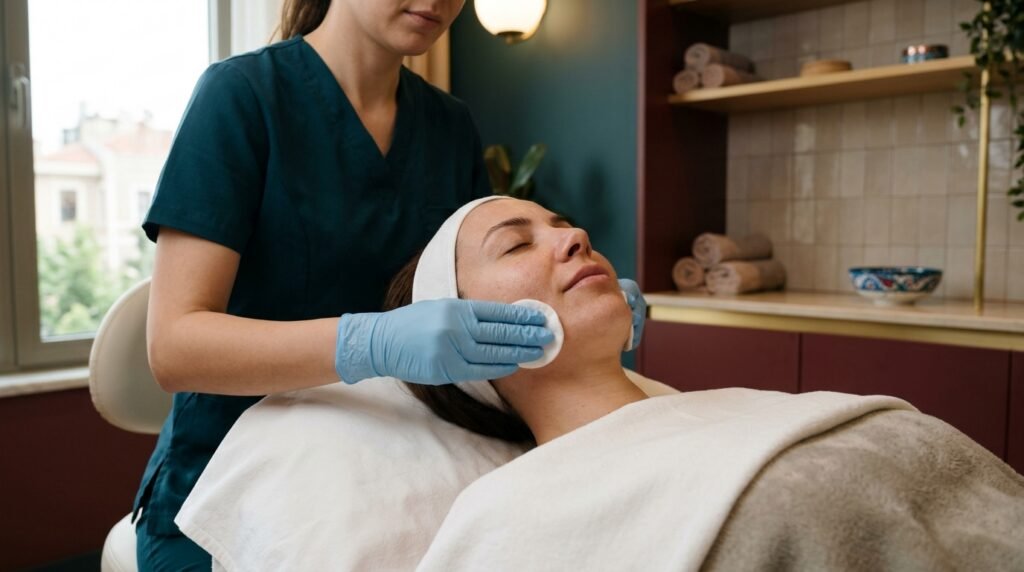
Deep cleansing facial Istanbul: the most useful appointment for visible pores and blackheads begins by identifying what is actually on the skin. A blackhead is a clogged follicle, a sebaceous filament is a normal oil-carrying structure, and inflamed acne may require a different level of care. Professional cleansing can support a carefully chosen routine, but it should never be sold as a permanent fix for pores or a medical cure.
This guide explains how a well-planned session works, when extraction may be considered, how methods differ and what to ask before booking in Istanbul. It draws on dermatology guidance and makes room for honest, personalised expectations. Your treatment plan should be confirmed by the professional who assesses your skin.
What is a deep cleansing facial, and who might benefit?
A deep cleansing facial is a professional skin-care appointment planned around visible congestion, surface build-up and the condition of the skin barrier. It commonly involves a gentle cleanse, examination of the T-zone and cheeks, selected exfoliation if suitable, and careful attention to comedones. Some providers also offer manual extraction, calming care and moisturising support. There is no universal set of steps behind the name: the safest and most useful appointment starts with a consultation rather than a promise that every pore will be emptied.
People often search for a deep cleansing facial in Istanbul because their nose or chin looks dotted, makeup sits unevenly around the pores, or they have recurrent blackheads. An assessment should separate these concerns from irritated skin, active inflammatory acne and the normal oil-carrying structures of the face. More intensive cleansing is not always more effective. The purpose is to make a realistic plan for the particular skin condition, with a clear explanation of what a one-off session can achieve and what ongoing care may be needed.
Blackheads, whiteheads and sebaceous filaments: three different conversations
A blackhead, medically called an open comedone, develops when material including oil and shed skin cells collects in a follicle and is exposed at the surface. Its dark appearance is associated with oxidation and pigmentation of the material, not simply dirt left on the face. A whitehead is a closed comedone, with the blocked opening beneath the skin surface. Both may occur as part of acne, but neither should be approached as a speck of grime that must be scrubbed until it disappears.
Sebaceous filaments are normal channels that help oil reach the skin surface. Cleveland Clinic explains that they may appear as small, relatively flat, light-grey, yellowish or brown dots, particularly on the nose. They are frequently mistaken for blackheads. Attempting to extract every filament can irritate the skin while the structures naturally refill. This distinction is particularly important for someone who has already tried adhesive pore strips, frequent squeezing or harsh scrubs without achieving the perfectly smooth appearance they expected.
Inflamed red bumps, pustules and painful deep lesions deserve additional caution. A facial aimed at cosmetic congestion should not be used to squeeze inflamed lesions or substitute for medical acne treatment. Persistent, scarring or unusually painful acne should be evaluated by a qualified clinician.
Before a treatment: a focused assessment of your skin
A useful consultation is specific: Which areas feel congested? Are there true raised blackheads or mainly flat dots on the nose? Do you experience sensitivity with cleansers, fragrance or exfoliating products? What are you using at home, including prescription products, retinoids, exfoliating acids and acne medicines? Have you recently had a peel, laser session, waxing or prolonged sun exposure? Is there a wedding, flight or outdoor sightseeing planned soon?
The answers can change the intensity and timing of any extraction or exfoliation. A provider may use good lighting or a magnifying lens to examine the surface. These observations help guide a cosmetic appointment but cannot replace a medical diagnosis. It is reasonable to ask which steps are optional, how discomfort will be handled and when treatment would be postponed.
At this point the conversation should produce a clear goal. For example, a reasonable goal might be to address a few visible comedones safely while maintaining skin comfort. Promises to permanently close pores, cure acne in one visit or remove every dot on a nose are poor substitutes for this practical plan.
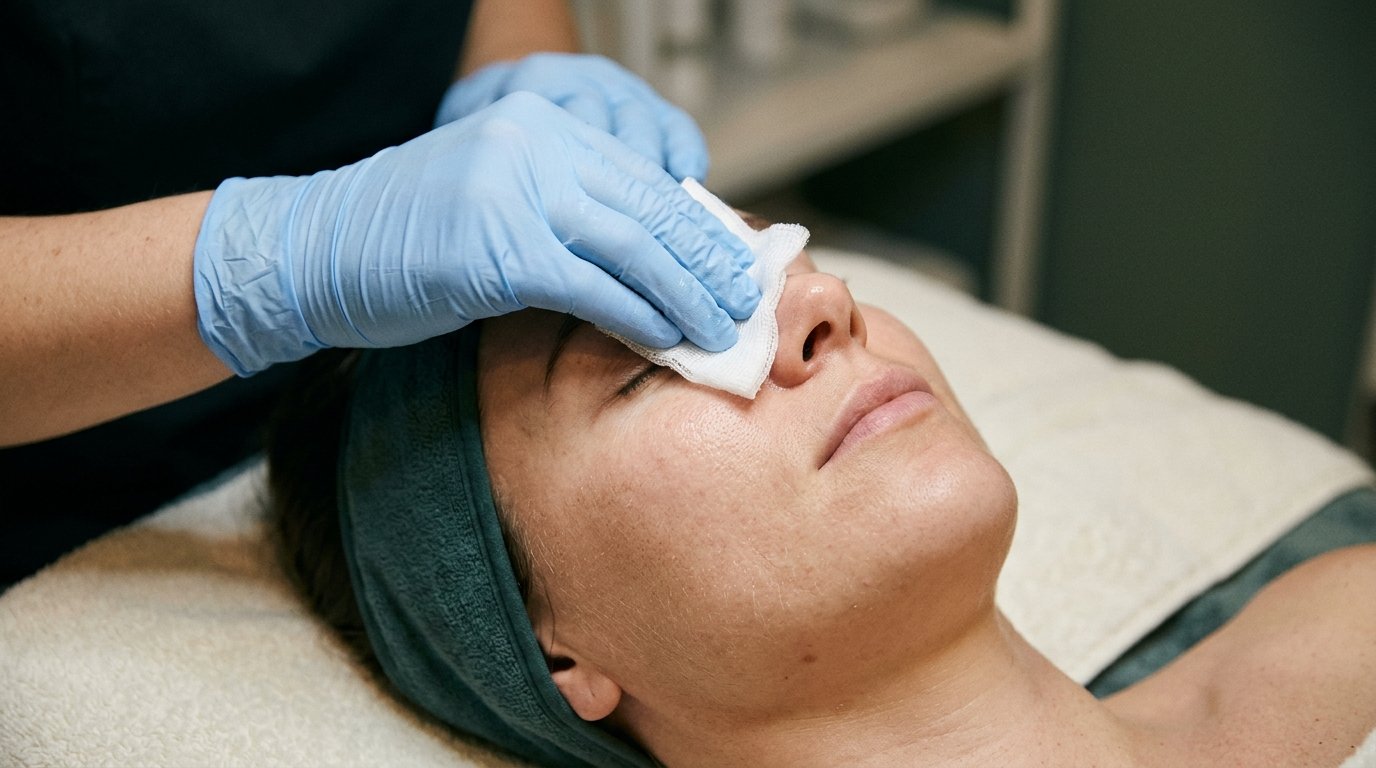
What a carefully planned facial appointment may include
1. Gentle cleansing. The professional removes surface makeup, sunscreen and excess sebum with products suited to the skin’s tolerance. Cleansing creates a useful starting point for assessment; it does not require prolonged rubbing. Extremely hot water or repeated washing can aggravate acne-prone skin, as NHS guidance explains.
2. Assessing the congested areas. The forehead, nose, chin and other areas are considered separately. Flat sebaceous filaments, raised comedones, inflamed lesions and post-acne marks do not demand the same treatment. If the issue appears to be outside cosmetic care, referral for medical assessment is the appropriate decision.
3. Choosing an exfoliation approach. Depending on history and tolerance, this might be no exfoliation, a gentle surface method or a specific professionally selected ingredient. Stronger is not synonymous with better. A professional peel is a separate intervention with its own risks and aftercare, not an automatic inclusion in every deep cleansing session.
4. Considering extraction. If extraction is offered, the professional should explain which lesions are appropriate, the method used and the risk of temporary redness or irritation. A hygienic, controlled approach matters. It is acceptable to omit extraction when the skin is inflamed, very reactive or unsuitable on the day.
5. Comfort and hydration. Once active steps finish, the focus often shifts to well-tolerated supportive care. The provider should be able to identify the broad type of products used and explain any known trigger concerns. A calming mask or moisturiser cannot guarantee that a previous acne problem will not return.
6. Written aftercare and a longer-term plan. The appointment should end with realistic expectations, instructions about what to avoid after the actual steps performed and guidance on when to seek help. A single session may improve the immediate appearance of the surface; maintaining comfortable skin and addressing recurrent comedones often requires consistent home care.
When professional extraction helps—and when to leave the skin alone
Selected superficial comedones may be considered for professional extraction, provided that the provider assesses the skin, uses appropriate hygienic technique and can stop if the area becomes irritated. The value is primarily limited removal of visible material, not a permanent change to the anatomy of the pore. Even an expertly managed appointment can cause transient tenderness or redness.
Repeated pressure, sharp tools used without training, picking at inflamed spots or attempting to extract sebaceous filaments can injure the skin and increase the risk of post-inflammatory marks or scarring. NHS guidance explicitly advises against trying to clean out blackheads or squeezing spots at home. Someone with severe acne, suspected infection, a tendency to scar or active eczema-like irritation should discuss medical assessment before any extraction-focused appointment.
If a provider insists that extraction is mandatory for everyone, ask for a skin-specific explanation. Sometimes a conservative facial and a sustained home plan are more valuable than a dramatic one-day attempt to clear each visible dot.
Manual cleansing, hydradermabrasion and chemical exfoliation compared
Deep cleansing may be delivered through different professional methods. A manually focused facial typically involves skin assessment and selective hands-on steps. A hydradermabrasion-style service adds a device-assisted cleansing or exfoliation process; Hydrafacial is a distinct branded platform, and its name should not be used as a generic synonym for every suction machine. Exfoliating formulations can be incorporated into some professional protocols, but their strength, ingredient identity and suitability require a separate discussion.
For visitors comparing appointments, the question is not which method sounds most technical. Ask what exactly is included, which lesions it is designed to address, whether the brand or device can be identified, and what degree of redness or sensitivity might follow. An advertised facial cannot be assumed to deliver the same steps or outcome as another clinic’s similarly named package.
Likewise, a manufacturer logo or a displayed skincare bottle does not confirm that a product is used in your booked session. At Nexja, selected professional brands are discussed in the context of the actual protocol, but no cosmetic product should be represented as an official Hydrafacial machine booster without manufacturer evidence. At Nexja, HydraFacial takes 45 minutes.
Adapting the approach for different skin presentations
Oily T-zone with flat nose dots: Start by distinguishing ordinary sebaceous filaments from true comedones. The plan may focus on appropriate cleansing and advice for sustained maintenance rather than aggressive extraction.
Dry or dehydrated skin with some congestion: A gentler session may be preferable. Dehydration and surface tightness can coexist with oil production; attempting to remove all oil can make the face more uncomfortable. Ask how the provider will preserve moisturising support.
Reactive or redness-prone skin: An intensive procedure may need modification or postponement. Fragrance reactions, active dermatitis or unexplained redness deserve attention. A cosmetic appointment is not an occasion to test several strong new formulas at once.
Comedonal acne: Recurrent open and closed comedones can benefit from a broader evidence-based treatment plan. The American Academy of Dermatology describes topical retinoids and other acne medications as options used by clinicians to manage blocked follicles over time. A facial may have a supportive cosmetic role, but it should not interrupt prescribed medical care.
Inflammatory acne or painful lesions: Prioritise a clinician’s assessment. Extraction of inflamed lesions is inappropriate as a routine cosmetic shortcut. The provider should recognise this and offer a safer pathway.
A practical comparison of what you see and what to ask
| Visible concern | Useful next question | Reasonable expectation |
|---|---|---|
| Small, flat dots on the nose | Could these be normal sebaceous filaments? | Discussion of gentle care rather than forced removal |
| Raised dark plugs | Are these blackheads and is extraction suitable? | Selective attention with possible temporary redness |
| Small pale closed bumps | Are they comedones or another condition? | Assessment before choosing a method |
| Red, tender or pus-filled bumps | Should a clinician evaluate active acne? | Medical review rather than a cosmetic extraction promise |
| Dryness alongside oiliness | How will we protect skin comfort? | Gentle cleansing and supportive moisturising care |
| Dark marks remaining after spots | Is this discoloration rather than congestion? | Separate evaluation; extraction will not erase these marks |
The table is a conversation aid, not a diagnostic tool. Similar-looking bumps can have different causes, and the provider should adapt or defer treatment when uncertainty matters.

Aftercare: keeping results comfortable rather than chasing a squeaky-clean feel
Following a gentle facial, use the specific aftercare instructions provided. Cleansing and moisturising products should suit the actual procedure and how the skin feels. After extraction or exfoliation, the practitioner may recommend temporary caution with strong active products, hot environments, friction or sun exposure. Because protocols vary, it would be misleading to give a universal number of recovery days.
Daily sun protection matters, especially during outdoor sightseeing in Istanbul and when post-inflammatory marks are a concern. Avoid squeezing newly tender areas or using harsh scrubs to prolong a freshly cleansed appearance. Some comedones may return because sebum production and normal skin-cell turnover continue. A useful follow-up plan should describe manageable home habits and when to reassess, not promise permanent pore closure.
Seek appropriate medical care for rapidly worsening pain, spreading redness, increasing swelling, pus or significant blistering. These reactions should not be dismissed as a necessary stage of a facial.
Home care between professional appointments
An effective routine for congestion-prone skin does not need to contain a large number of products. Gentle cleansing, a compatible moisturiser and appropriate sunscreen provide a workable base. People with recurrent comedonal acne may need targeted topical treatment recommended by a suitable medical professional, rather than repeated squeezing or increasingly frequent facials.
Salicylic acid and topical retinoids are among ingredients discussed in dermatology guidance for acne management, but their appropriateness, formulation and use depend on the person. Prescribed treatments should not be interrupted or combined with strong new cosmetics without advice. If skin starts stinging or peeling excessively, adding more exfoliation is unlikely to be a sensible response.
Keep track of the actual concern: fewer inflamed lesions, less uncomfortable congestion or improved tolerance may be more meaningful than close-up photographs in which every pore remains visible. Consistent, simple care is easier to evaluate than switching to several new products after each appointment.
Booking a deep cleansing facial while visiting Istanbul
For visitors staying near Fatih or exploring the historic peninsula, the practical questions extend beyond the procedure. Allow time for an assessment and ask about potential redness before planning professional photos, a wedding, a long outdoor walk or a flight. Language support, written aftercare and a reliable written contact channel can make the appointment easier to manage.
Share your travel dates and the skincare products you brought. Different climates, long flights and hotel products can change how comfortable your skin feels. If you have never had professional extraction or a peel, do not assume your skin will respond exactly like a picture on social media. Before booking, clarify whether the appointment is intended for gentle maintenance, targeted congestion or a medical issue that should be evaluated first.
Nexja Skin Clinic handles appointment communication by written WhatsApp messages. You can ask the team which facial protocol is appropriate to discuss, what is included and how to plan the visit. A final treatment choice should follow assessment rather than a promise made solely through a search result.
A concise booking checklist
Before confirming a deep cleansing facial, send your chosen provider a short message covering the questions that matter to your own skin:
- Concern: Are the dots on my nose likely to be blackheads or normal sebaceous filaments?
- Products: I currently use these prescription or cosmetic products. Does this change what is appropriate?
- Method: What steps are included, and would extraction or exfoliation be optional?
- Timing: I have an event or flight on this date. What visible reaction is possible?
- Aftercare: What should I do afterwards, and whom should I contact if something worries me?
- Clarity: What is the current total price for the exact proposed service?
If you want to discuss a personalised appointment at Nexja Skin Clinic in Fatih, let’s plan your skin care by written WhatsApp message. The team can discuss options before a final in-person suitability assessment.
How to evaluate a professional deep cleansing provider
Consider the quality of the consultation, hygiene, staff training and the specificity of the service description. A thoughtful provider explains the difference between blackheads and sebaceous filaments, does not assume every bump should be extracted, and communicates realistic aftercare. Before paying for a package, ask if a gentler option or a medical referral would better address your concern.
A good answer should identify the purpose of the procedure and the limits of the expected effect. The exact brand and model matter when a device is advertised. If branded cosmetics are mentioned, their product identity should be accurate; photographs of unrelated bottles should never be presented as evidence of the service. Nexja’s emphasis on selected protocols and an attentive guest experience is most meaningful when these details are transparent in real appointments.
The best deep cleansing facial is one matched to the needs of the skin, with no unnecessary pressure to upgrade and no guaranteed cure claims.
Frequently asked questions about pores, blackheads and cleansing facials
Are blackheads caused by not washing enough?
Blackheads form from material within follicles; their dark colour does not simply mean poor hygiene. Harsh or frequent washing can irritate acne-prone skin.
Can a deep cleansing facial remove every blackhead?
No procedure can promise complete or permanent removal. An assessment may identify selected comedones appropriate for professional care, and new ones can form over time.
Are nose dots always blackheads?
No. Small, flat dots are often sebaceous filaments, a normal part of healthy skin that should not be repeatedly squeezed.
Is facial extraction painful?
Discomfort varies with the area, technique and skin condition. The professional should explain the steps and stop when the skin is becoming irritated.
Does a facial cure acne?
No. Acne can require sustained evidence-based medical care. A cosmetic facial may be supplementary for selected individuals.
Should I use a pore strip before my appointment?
Tell the provider if you have used pore strips or strong exfoliants recently. Avoid experimenting with potentially irritating new methods just before treatment.
Can people with sensitive skin book deep cleansing?
Sometimes a modified gentle appointment is appropriate, but active irritation or a medical skin condition may require postponement or clinical review.
Is Hydrafacial the same as manual deep cleansing?
No. Hydrafacial names a particular branded device platform, while manual cleansing and extraction are different methods with their own steps.
Do pores open with steam and close with cold water?
Pores do not operate like doors. Temperature and hydration can change skin appearance, but claims of permanently opening or closing pores are inaccurate.
Will extraction leave redness?
Temporary redness or tenderness can occur. Its likelihood depends on the skin and what was done; ask about timing before an important event.
How often should I repeat the treatment?
There is no universal schedule. Frequency should reflect the concern, skin tolerance, home care and whether medical acne treatment is needed.
Can a facial remove post-acne dark marks?
Extraction addresses selected clogged follicles, not the underlying biology of discoloration. Ask for a separate assessment of pigmentation.
What if I have painful cystic acne?
Arrange assessment by a qualified medical professional rather than booking routine extraction of painful deep lesions.
Can I combine a peel with the cleansing session?
Only if assessment supports the combination. Peel strength, irritation risks and aftercare should be discussed separately.
What should I ask for when booking in Istanbul?
Describe the main concern, sensitivity, recent products and travel dates; request the exact included steps and realistic aftercare instructions.
Trusted sources and related facial guides
For independent evidence and practical safety guidance, consult Cleveland Clinic: sebaceous filaments and blackheads, American Academy of Dermatology: acne diagnosis and treatment, and NHS inform: acne self-care and when to seek help (page updated 18 November 2026).
Explore other relevant published site guides: Enlarged pores: options and realistic results, Acne treatment and professional care, Facials for sensitive and reactive skin, How to choose a professional facial in Istanbul and Hydrafacial protocol comparisons.
Editorial scope: general educational information, not a diagnosis or a guarantee of treatment outcome. Availability, the exact procedure, price and suitability should be confirmed before booking.


