Hydrafacial for Congested Skin in Istanbul
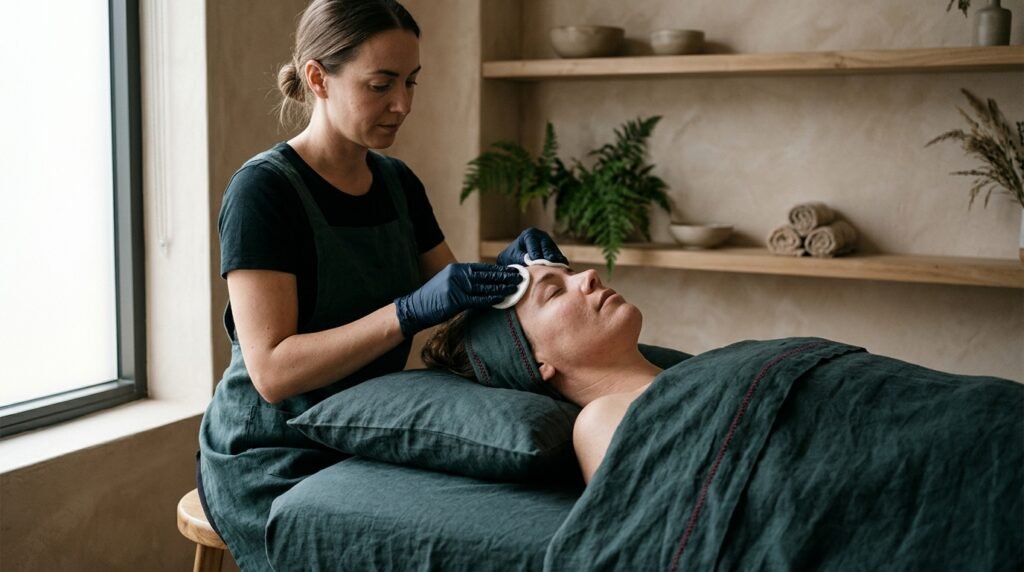
Hydrafacial for congested skin in Istanbul can be a useful option to discuss when your main concern is visible blackheads, uneven surface texture or oil accumulation on otherwise intact, comfortable skin. It is not the same as a medical acne treatment, and a more intensive facial is not always a better answer. The starting point is understanding what is causing the congestion, how easily your skin becomes irritated and whether a device-assisted cleansing session is appropriate at all.
At Nexja Skin Clinic in Fatih, three professional Hydrafacial options are described on the treatment menu: Hydrafacial, Hydrafacial + Glow Care and Nexja Premium. This guide focuses on choosing between them specifically for congestion, rather than simply comparing package names. It also explains what research can tell us about hydradermabrasion, what a single visit cannot achieve and how to plan the next steps after your appointment.
What kind of congestion are you trying to address?
Imagine three visitors arriving for the same appointment. The first has dark dots around the nose but no discomfort; the second has a rough chin and recurring closed bumps; the third has a tender, red jawline with deep lesions. All three may describe their skin as clogged. Yet it would be inappropriate to automatically offer the same extraction-focused procedure to each of them.
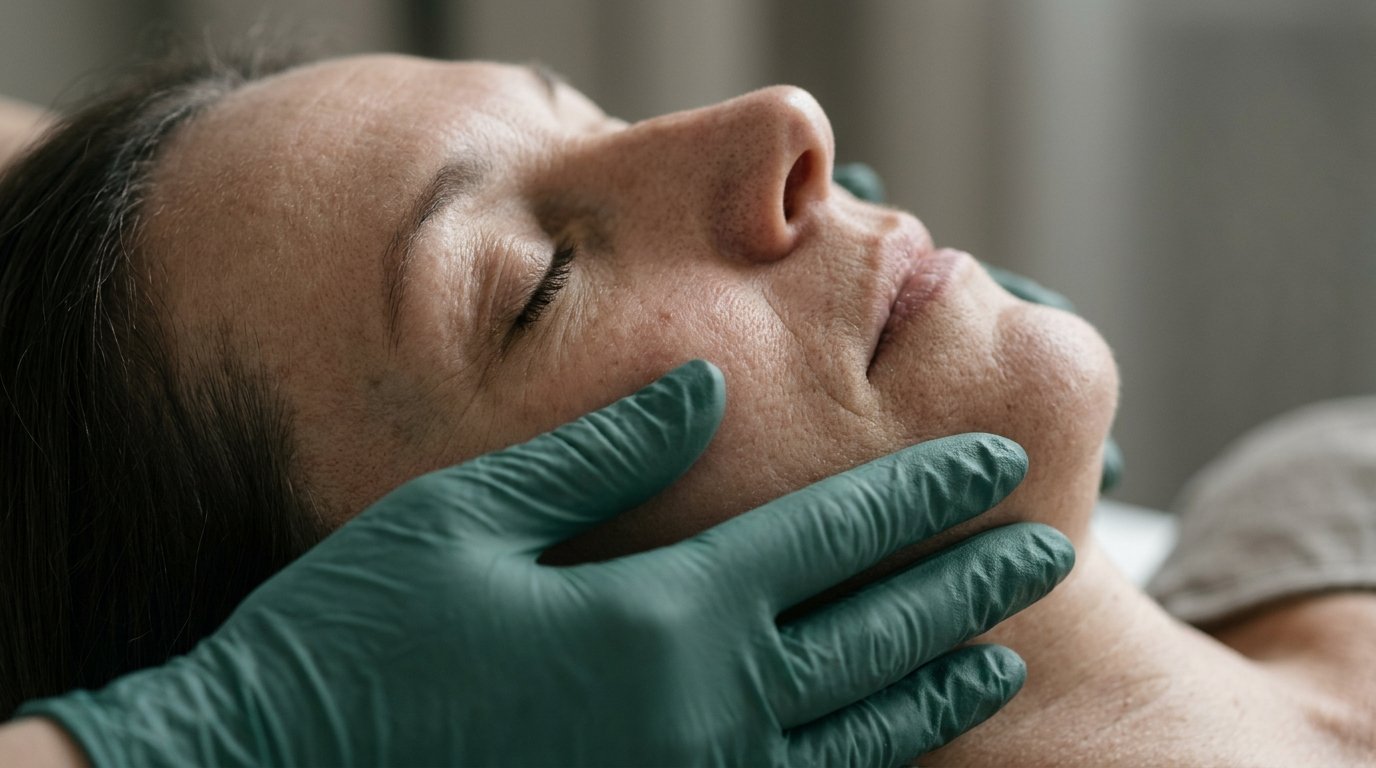
Visible congestion is a description, not a diagnosis. In a blackhead, material accumulates within an open follicle, and the exposed surface appears dark. A closed comedone may resemble a small pale or skin-coloured bump. Sebaceous filaments, especially around the nose, are part of ordinary follicle function and can become conspicuous again even after cleansing. Persistent inflammatory lesions require different consideration. If you are unsure what the dots or bumps represent, avoid trying to remove them yourself and ask for an assessment.
The distinction matters because a cosmetic appointment may improve the way the surface looks and feels without changing the underlying tendency to develop comedones. Treating a normal filament as a defect to eliminate can lead to unnecessary repeated extraction. Treating a painful lesion as a clogged pore to empty can make the situation worse. A professional plan should establish which areas may be approached, which should be left alone and whether referral is warranted.
How the branded Hydrafacial system approaches pore care
Hydrafacial is a particular commercial platform within the wider category of hydradermabrasion. Its official treatment description explains that the proprietary system brings together surface cleansing, exfoliation, suction-assisted extraction and hydration. The provider can select compatible tips and solutions according to the treatment plan. These elements are not interchangeable with every other device that uses liquid and suction.
From the visitor’s perspective, a session should have an understandable sequence: prepare and examine the skin, select suitable cleansing steps, address eligible areas of congestion and finish with appropriate supportive care. That does not mean every pore receives the same attention. Areas with inflammation, visible damage or unusual sensitivity may need to be avoided altogether, and some visitors may be unsuitable for the procedure.
The collection of visible debris during a device-assisted facial should not be treated as a diagnostic measurement. A collection container may contain fluid, skin material and residues from the session. Its appearance does not independently establish that an individual’s skin was unhealthy, that toxins were removed or that medical acne has been resolved. The meaningful outcomes are the assessed condition of the skin, tolerability and how the person feels afterward.
Hydrafacial, Hydrafacial + Glow Care or Nexja Premium: choosing for congestion
Nexja’s published service pages describe different amounts of appointment time and different scopes of care. They are the clinic’s own named protocols, not automatic equivalents of the manufacturer’s Signature, Deluxe or Platinum packages. The comparison below reflects the current local descriptions, with the important qualification that the actual procedure must suit the skin on the day.
| Nexja protocol | Published approximate duration | When to discuss it | Reason to reconsider |
|---|---|---|---|
| Hydrafacial | 45 minutes | Limited congestion and essential maintenance care | If the goal is extensive cleansing or the skin is not ready for exfoliation |
| Hydrafacial + Glow Care | 60 minutes | More time for visible congestion plus tailored hydration and radiance care | If additional exfoliation or products would irritate the skin |
| Hydrafacial Nexja Premium | Approximately 90 minutes | A comprehensive assessment and several compatible cosmetic care goals | If a simpler session, postponement or medical assessment is more appropriate |
Hydrafacial may be sufficient for a visitor whose nose has mild visible build-up but whose broader goal is regular maintenance. Hydrafacial + Glow Care allows more time to address eligible congestion and additional care needs. Premium is designed as a broader personalised appointment, potentially incorporating other professional skincare steps where suitable. More time does not mean stronger suction or an obligation to include every possible intervention.
For pronounced congestion, ask which areas the specialist believes can be treated and whether a more detailed appointment changes the proposed plan. A longer package may be useful when there are several distinct cosmetic goals. When the skin is already irritated, however, a shorter or entirely different approach may be preferable.
Why skin analysis matters before choosing a protocol
The clinic describes an AI-assisted skin assessment with a digital report accessible through a QR code. Such a report can support the consultation and help organise observations over time, but it does not diagnose acne, identify every lesion or guarantee that an automated recommendation is medically appropriate. Lighting, makeup, recent cleansing and temporary redness can influence the way skin appears in an image.
Bring information that a photograph alone cannot supply. Tell the specialist when the congestion began, whether the bumps hurt or itch, how your skin has responded to acids and previous facials, and whether you have recently had a peel, laser treatment, injection or other procedure. Mention allergies, pregnancy or breastfeeding and both topical and systemic medicines. Current or recent isotretinoin is particularly important to disclose. Do not stop prescribed treatment just to qualify for a facial.
For someone with combination skin, the consultation may reveal that the forehead and nose need different consideration from dry cheeks. For a frequent traveller, it may show that discomfort after a flight is more important than visible oiliness. For someone who has tried several new products in the past week, the safest decision might be to allow irritation to settle. A good plan translates these differences into clear choices rather than a universal protocol.
Ask for a brief explanation before you agree: which areas will receive cleansing, whether exfoliation is proposed, whether there are areas to skip, what sensations might occur, and how to manage the skin afterwards. You should be able to decline an optional step.
Oily and congested does not necessarily mean resilient
Oil production and barrier comfort are different considerations. A person with a shiny forehead can still experience stinging, flaking or tightness. Someone who cleans repeatedly throughout the day may notice a combination of visible oil and discomfort. The presence of congestion therefore does not justify automatically using the strongest exfoliation.
The surface barrier helps keep water within the skin and limit the penetration of potential irritants. When it is disturbed, products that were previously comfortable may sting. Scrubbing, prolonged manipulation and combining several exfoliating steps may add to that burden. If the cheeks are already irritated, a professional may decide that the planned appointment needs modifying or deferring rather than trying to compensate with a richer finishing product.
For everyday care, the American Academy of Dermatology’s pore-care guidance emphasises gentle cleansing, suitable non-comedogenic products and sun protection. These habits matter between appointments because a one-off professional procedure cannot control every factor contributing to recurrent congestion.
What research says — and what it does not establish
A 2022 open-label clinical study indexed in PubMed enrolled 20 adults with mild-to-moderate acne to investigate a specific Hydrafacial Clarifying treatment series. The planned course consisted of six appointments across 12 weeks, with a combination of cleansing, exfoliation, suction and blue LED. The researchers reported improvements in acne appearance. However, the study was small, had no separate untreated comparison group, and the assessors and participants knew which treatment they received. An author was affiliated with the manufacturer.
These limitations are important. The research does not demonstrate that a single Hydrafacial, Hydrafacial + Glow Care or Nexja Premium visit produces the same effect, nor that an ordinary cosmetic session is preferable to medical acne therapy. It also does not establish that every skin type, active breakout or combination of professional products can safely undergo that procedure. Evidence for a named treatment series should not be transferred to unrelated protocols.
The manufacturer’s own device instructions are also relevant. For example, the Hydrafacial MD Elite instructions for use (October 2024 revision) describe indications and specific safety exclusions, including certain active skin conditions. This is an example of model-specific guidance, not a statement about which model a particular clinic operates. The applicable model instructions, local requirements and professional assessment take precedence over marketing or an individual research paper.
A realistic reason to consider Hydrafacial for non-inflamed congestion is the potential for cosmetic improvement in surface appearance and feel. Persistent acne needs a separate evidence-based plan. The AAD’s acne treatment guidance outlines established medical options that address acne over time. A facial should not displace appropriate treatment.
Professional skincare products: what should be selected and why?
Nexja’s broader treatment menu includes professional skincare from mesoestetic, Dr. med. Christine Schrammek and Rejuvi, among other ranges. A clinic that works with several professional brands can select products according to the assessment rather than treating all congestion as the same problem. The exact formulation and intended purpose are more useful than a list of impressive logos.
There is an important difference between an official Hydrafacial solution intended for use with its device and a separate professional product selected for another stage of a cosmetic appointment. A brand name alone does not establish device compatibility. If a professional peel, mask or topical serum is proposed as additional care, ask what it is and how it fits the session. The provider should follow the appropriate product and equipment instructions.
For a visitor whose main concern is recurring blackheads but who has a history of sensitivity, the appropriate answer may involve fewer active ingredients rather than a collection of treatments. The right selection is one that supports the agreed goal while respecting tolerance, not the one that contains the greatest number of products.
When a different approach may be the better choice
A Hydrafacial booking is not the only reasonable route for visible congestion. Someone who wants a broader explanation of cleansing techniques can read our guide to deep cleansing, pores and blackheads. That guide focuses on the range of professional methods rather than the branded Hydrafacial platform.
In some circumstances a qualified professional may consider a separately planned chemical peel. Its formulation, intensity, recovery and risks need their own assessment. Combining two exfoliating procedures in one visit merely because both are available is not an inherently better approach. For reactive skin, an appointment focused on comfortable supportive care may be more appropriate than extraction. The sensitive-skin facial guide explains why.
Active infection, open wounds, sunburn, cold sores, unexplained lesions, inflammatory skin disease or painful acne should prompt postponement or referral as appropriate. Manufacturer instructions may exclude active acne or other conditions depending on the system and intended use. For deep lesions or scarring acne, professional medical evaluation is important. These situations are not opportunities to sell a higher-priced cleansing package.
What to do after a congestion-focused appointment
Your aftercare should reflect the actual procedure rather than a generic promise of zero downtime. Ask whether any additional peel or exfoliating step was used. The treating professional can then explain when to resume normal products and which activities may be unsuitable. Mild temporary redness or tightness can occur; an intense or worsening reaction is not something to ignore.
Between visits, use a simple, well-tolerated routine. A gentle cleanser, moisturiser appropriate to your skin and broad-spectrum sunscreen are useful foundations. Avoid picking visible dots or repeatedly examining the same area immediately after treatment. If you already use acne medication, discuss any adjustments with the prescribing clinician instead of making an unsupervised change.
Judge the cosmetic result in normal lighting, once immediate temporary effects have settled. Surface smoothness, comfort and the appearance of eligible congested areas are more helpful measures than expecting completely invisible pores. If you experience blistering, spreading redness, increasing pain, significant swelling or signs of infection, seek prompt medical advice.

Planning a congestion-focused Hydrafacial visit in Fatih, Istanbul
Nexja’s official treatment website lists the centre at Akşemsettin, Fevzipaşa Caddesi No:149, third floor, Fatih, Istanbul, Türkiye. The published menu describes English-language communication support for international clients and a personalised assessment before choosing the service. Confirm availability, location, current pricing and the final appointment duration before travelling.
If you are staying elsewhere in Istanbul, allow travel time in addition to the treatment itself. Avoid booking an unfamiliar intensive procedure immediately before an important event or flight without discussing the recovery implications. People visiting for a short holiday should also ask how to contact the provider if they have a concern after returning home.
To help the team propose a starting point, send a short written message explaining whether your concern is primarily blackheads, small bumps, oiliness, visible pores or irritation. Include your visit dates, relevant medication or recent procedures, and whether you have reacted to a facial previously. You do not need to select the longest package in advance.
Let’s talk on WhatsApp and plan your facial together. Appointments are arranged through written WhatsApp communication. A final treatment recommendation depends on your assessment.
Frequently asked questions about Hydrafacial for clogged pores
Can Hydrafacial remove every blackhead in one session?
No. The amount of eligible congestion and the skin’s tolerance differ. Some lesions should not be manipulated, and recurrent comedones may need ongoing management.
Why do the dots on my nose return after cleansing?
They may include normal sebaceous filaments or recurrent comedones. Cleansing does not permanently prevent follicles from producing and transporting oil.
Is Hydrafacial + Glow Care better than Hydrafacial for congestion?
Hydrafacial + Glow Care provides additional time and broader care on Nexja’s current menu. That can be useful for some visitors, but suitability matters more than the package’s size.
Should I choose Nexja Premium for oily skin?
Not automatically. The comprehensive protocol may be worth discussing when there are several cosmetic goals. Oiliness alone does not establish the need for a longer session.
Does suction permanently reduce the size of pores?
No permanent pore reduction can be guaranteed. Appearance varies with congestion, oiliness, hydration, skin structure and lighting.
Can I book while using prescribed acne treatment?
Disclose your medication and consult the treating clinician. Some treatments, including isotretinoin, may be incompatible with device instructions or the timing of the facial.
Is this suitable during an active breakout?
Not necessarily. Some active or inflammatory conditions are specifically excluded by manufacturer safety instructions. Assessment and medical care may be required instead.
Will I receive the same serum as another client?
Not necessarily. Product selection depends on suitability, the planned procedure and compatibility. Ask about the exact products if you have allergies or a previous reaction.
How often should I repeat the session?
There is no universal interval. Consider the goal, skin response, current routine and the exact protocol. Do not schedule frequent treatments solely to chase temporary pore changes.
Is the skin analysis report a diagnosis?
No. It is a supplementary assessment tool. A qualified medical professional should evaluate suspected skin disease.
What if my skin is oily but feels dehydrated?
Tell the specialist about both symptoms. The plan may need to prioritise comfort and hydration rather than intensifying exfoliation.
Can I have a Hydrafacial before my return flight?
It depends on the actual treatment and your previous reactions. Discuss your departure date and aftercare arrangements during the consultation.
Further reading and treatment information
For a general introduction to the platform, see Hydrafacial Istanbul: professional skin cleansing and glow care. To explore the broader appointment choices, read the Hydrafacial, Hydrafacial + Glow Care and Nexja Premium comparison. For persistent breakouts, the AAD’s adult acne guidance explains when a medical assessment may be needed.
This article is educational, not an individual medical recommendation or a promise of results. Treatment duration and service descriptions were checked against the clinic’s published pages on 24 November 2026. Confirm the current menu, eligibility and aftercare directly before booking.


