BBL vs IPL: Understanding the Technology Before Booking
BBL vs IPL: Understanding the Technology Before Booking
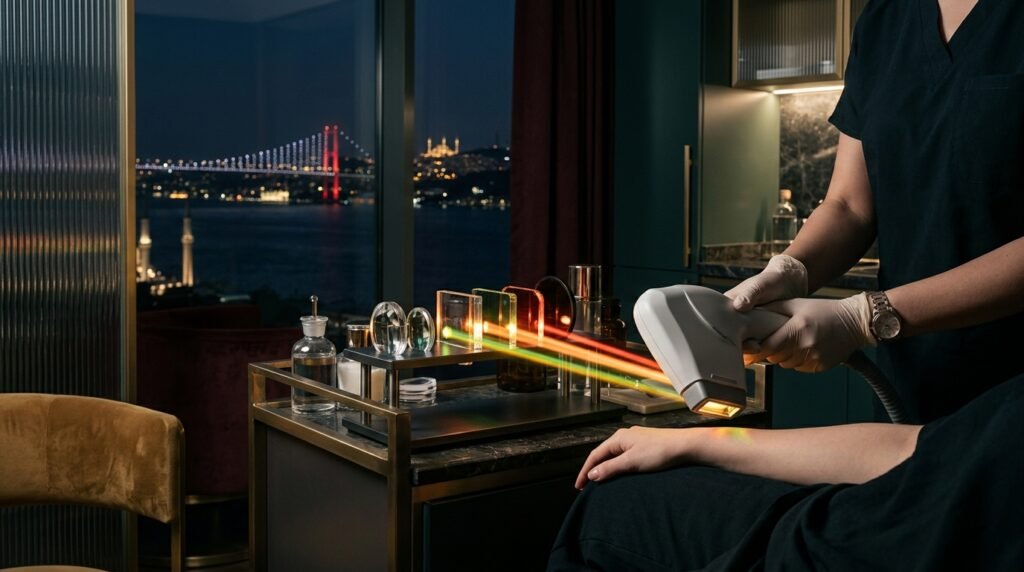
BBL vs IPL is often presented as a contest between two completely different treatments. That framing is misleading. IPL is the general technology category: intense pulsed light produced by a flashlamp and delivered across a range of wavelengths. BBL, or BroadBand Light®, is Sciton’s proprietary family of intense pulsed-light systems. In other words, BBL belongs inside the broader IPL category; it is not a laser and it is not automatically the right choice simply because its brand name is familiar.
The useful comparison is therefore not “brand versus generic” in the abstract. It is the exact platform, handpiece, filters, pulse structure, cooling, settings, maintenance, operator decisions and treatment goal in front of you. A carefully assessed treatment on an appropriate IPL platform may be more sensible than an unsuitable BBL protocol, while a modern BBL platform may offer workflow or control features that matter in a particular case. The name on the device does not replace diagnosis, skin assessment or informed consent.
This independent guide explains what the terms mean, how filtered pulsed light interacts with pigment and blood, what questions reveal a meaningful difference, and which safety factors deserve more attention than marketing labels. It also covers realistic outcomes, preparation, aftercare, skin-tone considerations and travel planning for people considering treatment in Istanbul. It is educational and cannot determine personal suitability or treatment settings.
BBL vs IPL: The Short Answer
IPL is an umbrella term for non-laser systems that emit high-intensity pulses of broad-spectrum, noncoherent light. Filters remove portions of the spectrum so that selected bands can reach chromophores such as melanin in brown pigment and oxyhaemoglobin in superficial vessels. BBL is a proprietary Sciton implementation of broad-spectrum pulsed light. Sciton describes BBL as BroadBand Light technology and markets current platforms such as BBL HEROic; those product descriptions are manufacturer information, not proof that every BBL treatment is superior to every other IPL treatment.
If two clinics offer “IPL” and “BBL,” ask what each proposes to treat, which platform and handpiece will be used, which wavelength filter is planned, who selects the parameters, what cooling and eye protection are used, and how your skin tone, recent sun exposure and pigment history alter the plan. Those answers are more informative than the label alone.
Both can be considered for selected vascular or pigmented concerns and for broader photorejuvenation plans. Neither is a universal fix for redness, melasma, pores, wrinkles, acne or laxity. The correct target must be identified first. A brown mark could be a benign lentigo, post-inflammatory pigmentation, melasma or a lesion requiring medical diagnosis; treating all four as “sun spots” is unsafe. Likewise, facial redness can come from visible vessels, rosacea, dermatitis, infection or another condition.
Best booking rule: choose a diagnosis-led plan with transparent device information, conservative settings and reliable follow-up. Do not choose by acronym, package name or a dramatic before-and-after image alone.
What BBL and IPL Actually Mean
IPL: the general technology category
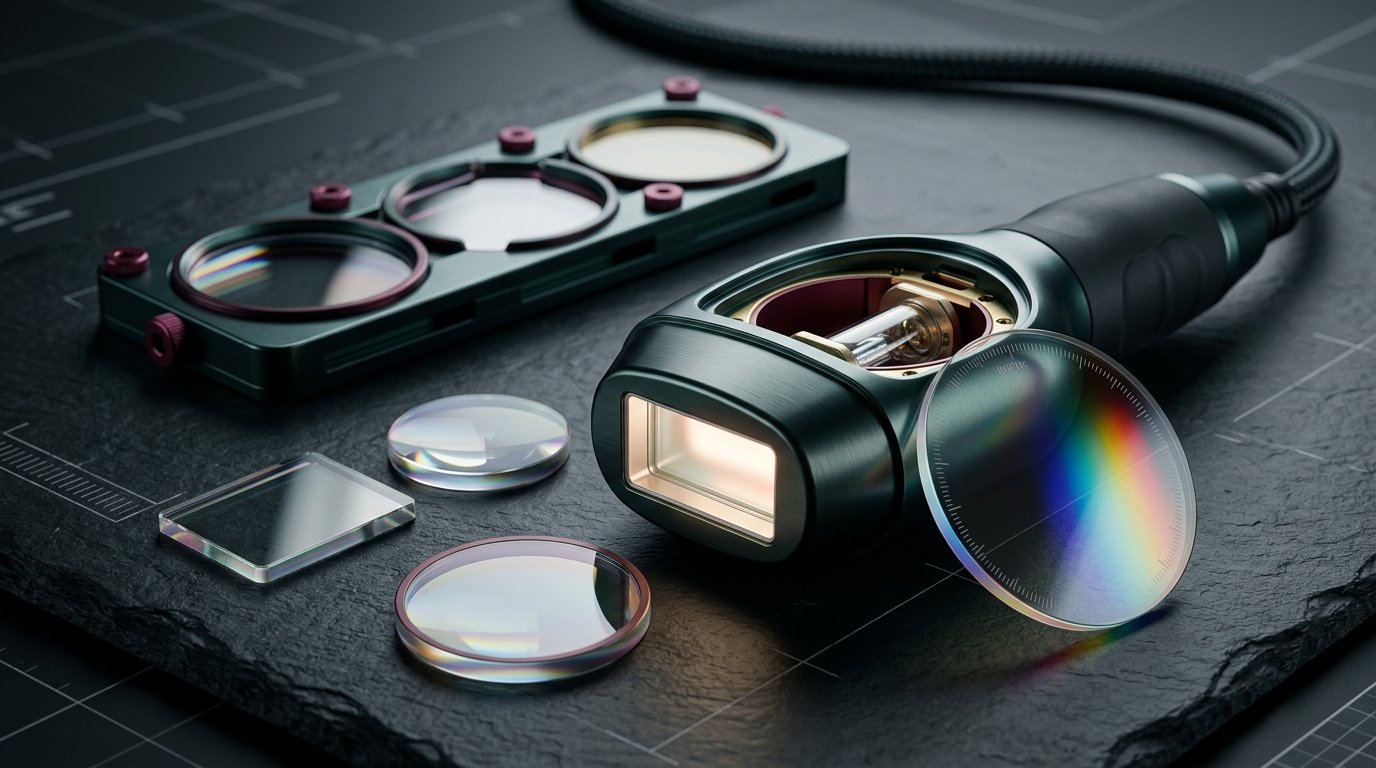
Intense pulsed light systems use a flashlamp—commonly xenon—to create short, powerful bursts across a broad range of wavelengths. Unlike a laser, which is defined by properties including a relatively specific wavelength and coherent light, IPL output is polychromatic and noncoherent. Cut-off filters, handpieces and system controls shape that broad output for different targets.
“IPL” does not describe one standardized device. Platforms differ in usable wavelength bands, pulse duration, pulse trains, fluence range, spot size, cooling, calibration, contact design, maintenance and software. Older and newer systems may behave differently. Even the same device can produce very different clinical effects when filters, pulse widths, delays, fluence, number of passes and overlap are changed.
BBL: a proprietary platform name
BroadBand Light® is Sciton’s trademarked pulsed-light technology. The manufacturer’s current materials describe BBL HEROic and related generations as developments within that product family. “BroadBand” describes the use of a broad light spectrum; it does not turn the system into a laser. Marketing may call BBL “advanced IPL,” but that phrase should be understood as a manufacturer’s positioning of its platform features, not as a new physical category.
Why clinics use the terms differently
Some clinics use IPL as a generic menu term and BBL only when they own a Sciton platform. Others casually call every flashlamp treatment IPL, including BBL. Some use branded treatment names that refer to a protocol rather than a device. This can create confusion when people compare prices or outcomes without knowing whether the treatments target the same concern or use comparable parameters.
Ask for the manufacturer, model, handpiece and planned indication in writing. A clinic should be able to distinguish the platform from the protocol and explain why the proposed settings fit the target. If the answer is only “BBL is stronger” or “IPL is basic,” you still do not have enough information to consent intelligently.
Why BBL and IPL Are Not Lasers
The word “laser” is widely used as shorthand for any light-based aesthetic treatment. Technically, that is inaccurate. A laser produces light with defined optical properties and typically operates at one principal wavelength or a tightly constrained set. IPL and BBL use a flashlamp to generate a broad spectrum, then modify that spectrum with filters and other controls.
This distinction matters because wavelength, pulse duration, spot size and tissue absorption determine which chromophore receives energy and how heat spreads. A 595 nm pulsed-dye laser, a 1064 nm Nd:YAG laser and a filtered IPL pulse may all be considered for vascular problems, but they are not interchangeable. Their penetration, epidermal melanin absorption, pulse characteristics and clinical endpoints differ.
Broad spectrum is neither automatically better nor worse
A broad spectrum can address more than one chromophore in a treatment area, which can be useful when sun-related brown spots and diffuse redness coexist. The same breadth also means the operator must control unwanted epidermal absorption. Filters and cooling help shape the exposure, but they do not eliminate the need for careful skin assessment.
Why the “BBL laser” phrase persists
Patients search for “BBL laser” because the public often groups energy devices together. Clinics may repeat the phrase for familiarity. An accurate consultation can acknowledge the search term while clarifying that BBL is broadband pulsed light. Clear terminology helps prevent false assumptions about precision, downtime or suitability.
Regulatory labels do not equal personal approval
A device may have regulatory clearance for particular indications and settings. That does not mean every person, lesion or off-menu package is appropriate. Clearance concerns a defined device and intended use; it is not a general endorsement of all protocols, operators or marketing claims. Ask which indication is relevant to you and whether the proposed use matches local rules and the device’s instructions.
How Broad-Spectrum Pulsed Light Works
Light-based treatment relies on selective photothermolysis: a target chromophore absorbs selected wavelengths, converts light to heat and is injured while surrounding structures are relatively spared. “Selective” is a goal rather than an absolute guarantee. Epidermal melanin, competing pigments, vessel depth, pulse duration, cooling and fluence influence how selective the heating really is.
Melanin as a target
Melanin absorbs a wide range of visible and near-infrared wavelengths, with stronger absorption toward shorter wavelengths. When a benign pigmented lesion is appropriately assessed and treated, the pigment may darken temporarily before fragmenting or shedding. Normal epidermal melanin also absorbs light, which is why a recent tan, darker phototype or uneven pigmentation can narrow the safety margin.
Haemoglobin as a target
Oxyhaemoglobin in blood vessels has absorption peaks that can be targeted with selected light bands. Sufficient controlled heating may coagulate a small vessel, after which the body gradually clears it. Vessel diameter, depth, flow and colour matter. Diffuse redness and distinct telangiectasia may need different settings or even different technologies.
Water and dermal heating
Some broadband protocols are marketed for dermal heating or skin-quality effects. The mechanism and evidence vary by filter, pulse structure and temperature achieved. A claim that a treatment “stimulates collagen” does not tell you how much visible change to expect. Fine texture may improve modestly in some people, but pulsed light is not equivalent to ablative resurfacing, deep fractional treatment or a lifting procedure.
Thermal relaxation time
Targets cool over time. Pulse duration is selected with the aim of heating the target sufficiently while limiting heat diffusion to surrounding tissue. Very short or very long pulses are not universally better. Smaller structures generally cool faster than larger ones, and pulse stacking can change cumulative heat. This is one reason copying a setting from another patient is unsafe.
The clinical endpoint
An experienced operator watches for an appropriate immediate response—such as controlled darkening of selected pigment or a vascular colour change—while avoiding excessive whitening, blistering or diffuse grey discoloration. Endpoints vary by target and platform. Pain alone is not a dose meter, and dramatic redness is not evidence of a more effective treatment.
Filters, Wavelength Bands and Treatment Targets
IPL and BBL systems do not simply emit every wavelength at full intensity. Cut-off filters block shorter wavelengths below a specified threshold, while the lamp, optics and handpiece determine the remaining output. A filter labelled with a number is not a promise that only one wavelength reaches the skin; it usually indicates a boundary in a broader transmitted band.
| Planning element | What it changes | Question to ask |
|---|---|---|
| Cut-off or band filter | Shapes which wavelengths are delivered and which chromophores absorb them | Which filter is proposed, and why does it match my diagnosed target? |
| Fluence | Energy delivered per area | How is the starting range adjusted for skin tone, tan and test response? |
| Pulse width | Time over which energy is delivered | How does pulse duration relate to the size and depth of the target? |
| Sub-pulses and delays | Divide energy and allow partial cooling between bursts | Does this platform use a pulse train, and what safety purpose does it serve? |
| Spot size | Affects coverage, treatment speed and optical behaviour | How will small contours and large areas be treated differently? |
| Cooling | Protects the epidermis and influences comfort | Is cooling contact-based, gel-assisted, air-based or integrated? |
| Repetition rate | Controls how rapidly pulses can be delivered | How does the operator prevent overlap and cumulative heating? |
A filter is not a diagnosis
Knowing that a platform has a pigmentation filter does not establish that your brown mark should be treated. Suspicious, changing or uncertain lesions need medical assessment rather than cosmetic camouflage. Melasma can behave differently from discrete solar lentigines, and post-inflammatory pigmentation requires attention to the process that caused it.
More wavelengths do not mean more benefits
Marketing sometimes treats a wider spectrum as proof that one pulse corrects everything. In practice, competing chromophores share energy, and different problems may require different passes, filters or sessions. A conservative plan may focus on one target first, observe the response and then decide whether a second protocol is useful.
Platform documentation matters
Operators should work within the manufacturer’s instructions, use maintained handpieces and understand calibration. Generic online charts cannot replace device-specific training. Two filters with the same nominal cut-off on different machines may not produce identical spectral output or tissue effects.
Pulse Delivery, Cooling and Technique: Where Real Differences Appear
When a modern BBL platform is compared with another professional IPL system, meaningful differences may exist in pulse shaping, cooling, repetition rate, spot size, navigation, software and ergonomics. Those features can affect treatment speed, consistency and the operator’s ability to deliver a planned protocol. They still need to be evaluated in the context of the target and the person.
Pulse trains and thermal control
Some systems divide a nominal pulse into sub-pulses separated by delays. The goal is to allow partial epidermal cooling while maintaining useful target heating. The actual balance depends on energy distribution, pulse duration and tissue characteristics. “Multiple pulses” is not inherently safer if the total thermal load or overlap is excessive.
Cooling is part of treatment, not decoration
Contact cooling, chilled sapphire, gel or other methods can reduce epidermal temperature and discomfort. Good contact and clean optical surfaces matter. Cooling can make a treatment feel tolerable even when tissue is receiving substantial energy, so comfort should not be interpreted as proof that settings are harmless.
Speed and large treatment areas
Sciton describes HERO as High Energy Rapid Output and markets faster delivery over large areas. Faster repetition can improve workflow and reduce appointment time, but speed introduces its own discipline: consistent movement, complete contact and controlled overlap are essential. A fast platform does not justify rushing assessment or passes.
Operator technique
Handpiece angle, pressure, coupling medium, pulse placement, overlap, number of passes and observation of endpoints all affect the result. The operator must notice how the skin responds in real time and know when to stop. A technologically advanced device in inexperienced hands can still cause burns or undertreatment.
Maintenance and consumables
Lamps, filters, windows, cooling surfaces and calibration require maintenance. Ask how the clinic records servicing and checks optical components. A damaged or contaminated window can alter delivery. Device authenticity and maintenance are more important than a decorative machine photograph on social media.
BBL vs IPL: A Practical Comparison
| Question | BBL | IPL |
|---|---|---|
| What is it? | Sciton’s proprietary BroadBand Light product family | The general category of intense pulsed-light systems from many manufacturers |
| Is it a laser? | No | No |
| Light output | Broad-spectrum flashlamp output shaped by platform-specific filters and controls | Broad-spectrum flashlamp output shaped by the device’s filters and controls |
| Can it target pigment? | Selected platforms and protocols can target appropriately diagnosed benign pigment | Selected platforms and protocols can target appropriately diagnosed benign pigment |
| Can it target redness? | Selected filters and settings may be used for vascular targets | Selected filters and settings may be used for vascular targets |
| Is one always stronger? | No; strength is not a single device property and higher energy is not automatically better | No; systems and settings vary widely |
| Is one always safer? | No; suitability, settings, cooling, maintenance and operator competence matter | No; the category contains very different platforms and protocols |
| Does the name predict results? | No; branded features do not replace assessment or execution | No; “IPL” alone is too broad to predict performance |
| What should be compared? | Diagnosis, exact platform, filters, pulse structure, cooling, operator, maintenance, treatment endpoint, follow-up and evidence for the target | |
Where BBL may offer a genuine platform distinction
A current BBL system may offer proprietary pulse-control, cooling, interface or rapid-delivery features. These can be meaningful for consistency and large-area workflow when the operator understands them. The clinic should explain the feature in plain language and connect it to your proposed protocol rather than merely repeating a brochure claim.
Where another IPL may be entirely appropriate
A well-maintained professional IPL system with suitable filters and a skilled operator may address the same broad categories of chromophores. The absence of the BBL trademark does not prove that the device is obsolete or ineffective. Evidence may be tied to a specific platform, so ask whether the clinic is extrapolating from another device.
Why price cannot settle the question
Prices can reflect brand, consumables, clinic positioning, assessment, treatment area, session length and aftercare. A higher price does not prove a better diagnosis or safer settings. A lower price may omit consultation or follow-up. Compare the full clinical service, not only the flashlamp session.
Concerns Commonly Assessed for BBL or IPL
Broadband pulsed light is versatile, but versatility should not become indiscriminate treatment. The first step is to translate a cosmetic description—“red,” “brown,” “dull,” “uneven”—into a clinical target.
Discrete sun-related pigment
Selected solar lentigines and freckles may respond when epidermal pigment absorbs filtered light. Treated spots often darken before they fade. Diagnosis matters because not every brown lesion is benign or suitable for light treatment. Any changing, asymmetric, bleeding or unusual lesion should be assessed medically before cosmetic treatment.
Diffuse redness and visible vessels
IPL is used for selected telangiectasia and erythema, including some rosacea presentations. It does not cure the underlying tendency to rosacea, and triggers can continue. Different vessel sizes and depths respond differently. A pulsed-dye or long-pulsed vascular laser may be preferred for a specific vessel pattern.
Photodamage and mixed colour
A broad-spectrum platform may be useful when superficial brown and red changes coexist. This is often what “photofacial” or photorejuvenation packages intend to address. Texture or fine lines may change modestly, but colour improvement should not be sold as deep resurfacing.
Hair reduction
Some IPL and BBL configurations have hair-reduction indications. The target is melanin in the follicular unit, so hair colour, thickness, growth cycle and skin tone affect response. This is a different protocol from a vascular or pigment photofacial. Ask whether the handpiece and settings are intended for hair rather than assuming one package covers both.
Acne and inflammatory concerns
Some light protocols are marketed for acne, sometimes using filters intended to influence inflammatory lesions or vascular redness. Evidence and device indications vary. Active nodules, scarring and post-inflammatory marks are different problems. A light session does not replace a complete acne plan.
Skin firmness
Some broadband protocols aim to heat tissue for a skin-quality or firming effect. Expectations should be modest and specific. Loose tissue caused by structural ageing, major weight change or anatomy will not be corrected like surgery. Ask what endpoint and evidence support the particular protocol.
What the Evidence Can—and Cannot—Tell You
Evidence for intense pulsed light spans different devices, filters, settings, diagnoses, outcome measures and study designs. A positive study of one platform or rosacea protocol cannot automatically validate every BBL or IPL package. Device-dependent procedures are especially sensitive to operator technique and parameter choices.
Rosacea evidence is encouraging but heterogeneous
A 2024 systematic review of IPL for rosacea included 14 studies and found that most reported improvement in telangiectasia and erythema, with generally transient adverse effects. The authors also found heterogeneity in parameters and poor methodological quality. That is useful evidence of potential benefit, not a universal percentage or guarantee.
Older reviews establish principles, not current product rankings
Peer-reviewed reviews describe IPL as a non-laser, high-intensity flashlamp source, often spanning roughly 500–1200 nm depending on the system. They explain filters, chromophores and clinical applications. They do not prove that one current trademark is always superior, particularly when head-to-head trials are absent.
Manufacturer sources answer different questions
Sciton is the primary source for what its BBL platforms are called and which proprietary features it claims. Manufacturer pages are appropriate for product identity, handpiece descriptions and marketed capabilities. Independent clinical evidence is needed for comparative effectiveness, limitations and adverse effects. This article keeps those roles separate.
Before-and-after galleries are not trials
Galleries rarely show every treated patient, standardized lighting, failed sessions or long-term recurrence. They can illustrate possible change but cannot estimate your probability. Look for consistent timing, no makeup, disclosed number of sessions and an explanation of concurrent skincare or procedures.
Clinical significance matters
A statistically measurable change may still be subtle in everyday life. Ask whether outcomes were clinician-rated, instrument-measured or patient-reported, how long follow-up lasted and whether maintenance was required. “Improvement” is not the same as clearance.
Candidate Assessment Before BBL or IPL
A responsible consultation should determine what the concern is, whether light is appropriate and how risk can be reduced. It is more than choosing a filter from a menu.
History
- recent sun exposure, tanning beds or self-tanner;
- tendency to hyperpigmentation, hypopigmentation or scarring;
- melasma, vitiligo, eczema, psoriasis, rosacea or active dermatitis;
- cold sores, infection or impaired wound healing;
- photosensitizing medicines and supplements;
- isotretinoin or recent medication changes;
- previous lasers, peels, injectables or energy treatments;
- pregnancy or breastfeeding where clinic policy or medical factors apply;
- seizure or migraine sensitivity to flashing light;
- tattoos, permanent makeup or suspicious lesions in the area.
Examination
The provider should examine the target in neutral light, remove makeup when necessary and distinguish pigment from vascular colour. Dermoscopy or referral may be appropriate for uncertain lesions. Skin phototype is useful but not sufficient; ethnicity, current tan, pigment behaviour and treatment area also matter.
Goal definition
“Better skin” is too vague. Define whether the priority is discrete brown spots, diffuse redness, a few vessels, overall tone or another problem. Rank goals rather than trying to treat everything aggressively in one appointment. A narrow goal supports safer parameter selection and more honest photography.
Test spots
A test spot may be helpful when pigment response, device settings or area sensitivity are uncertain. It should be observed for an appropriate period; an immediate normal appearance cannot exclude delayed pigment change. A test spot reduces uncertainty but does not guarantee that a full treatment will behave identically.
Alternatives and no-treatment option
Consent should include topical care, vascular laser, resurfacing, peel, camouflage, medical treatment or simply observation, depending on the diagnosis. Postponing because of a tan or active flare is good clinical judgment, not a failed sale.
Skin Tone, Tanning and Pigment Risk
Epidermal melanin competes for broadband light. As melanin increases, less energy may reach the intended deeper target before the epidermis overheats. This does not mean every darker skin tone is excluded from every pulsed-light treatment. It means platform capability, filter selection, cooling, conservative settings and operator experience become especially important.
Phototype is a starting point
Fitzpatrick type estimates how skin burns and tans, not its full biology. Two people with the same category can have different baseline colour, ancestry, melasma tendency and post-inflammatory response. Assessment should document the actual treatment-day skin and previous reactions.
A tan changes the risk
Recent ultraviolet exposure increases epidermal melanin, while self-tanner changes visible colour and can interfere with assessment. Do not conceal a holiday tan to keep an appointment. A clinic should have a clear postponement policy and should explain how long sun avoidance is needed before and after treatment.
Conservative does not mean ineffective
Lower fluence, longer pulse strategies, different filters, fewer passes or a staged plan may reduce risk in selected cases. The safest decision may be another technology. Chasing an immediate dramatic endpoint can trade short-term satisfaction for burns or months of pigment change.
Post-inflammatory hyperpigmentation
PIH can appear after excessive heat, blistering, irritation or even an otherwise uncomplicated treatment in pigment-prone skin. Strict sun protection and early professional review matter. Do not self-treat emerging dark patches with multiple acids or bleaching agents while the barrier is irritated.
Hypopigmentation
Loss of pigment is less common but potentially persistent. It can follow excessive injury or repeated treatment. A pale patch is not something to “balance” with more light. Stop and obtain assessment.
Melasma Is Not the Same as a Sun Spot
Melasma is a chronic, relapsing pigment disorder influenced by light, hormones, heat, inflammation and individual susceptibility. It can contain epidermal and dermal pigment and may worsen after irritation. Treating it like a collection of isolated freckles can provoke rebound or uneven darkening.
Why pulsed light can be unpredictable
IPL can reduce selected pigment in some melasma protocols, and recent reviews discuss its use alone or in combinations. Outcomes vary and recurrence is common. Heat and inflammation can aggravate the condition. A provider should explain why IPL or BBL is being considered, what subtype is suspected and how maintenance and sun protection fit the plan.
Screen for hidden melasma
Someone may request treatment for “sun spots” while also having a diffuse melasma background. Clearing discrete spots can make the background more obvious, or aggressive treatment can darken it. Examination should consider the whole face, not only the darkest marks.
Do not promise permanent clearance
Even when treatment helps, ultraviolet and visible light exposure, hormonal factors and heat can trigger recurrence. A sustainable plan often relies on photoprotection and topical management rather than repeated high-energy sessions. The absence of recurrence in a short marketing follow-up is not proof of cure.
When to choose another approach
Active or unstable melasma, recent tanning, poor sun control or a history of rebound may support deferring light treatment. A qualified clinician may prioritize diagnosis, topical therapy and trigger management. The no-treatment option is valid.
Redness, Rosacea and Visible Vessels
Redness is a symptom, not one diagnosis. Rosacea may include persistent erythema, flushing, telangiectasia, papules, pustules, eye symptoms and skin sensitivity. IPL can help selected vascular features, but it does not replace medical assessment or cure the chronic disorder.
Diffuse redness versus individual vessels
Broadband light can cover diffuse areas efficiently. A distinct larger or deeper vessel may respond better to a vascular laser with a specific wavelength and pulse profile. A good plan may combine or sequence technologies rather than insisting that one machine treats every vessel.
Rosacea control before energy treatment
Active inflammation, dermatitis or a disrupted barrier can increase discomfort and recovery. Medical therapy, gentle skincare and trigger management may need to come first. The American Academy of Dermatology notes that lasers and lights can reduce visible vessels and redness for some patients, while results vary.
Ocular symptoms
Dry, gritty, irritated or inflamed eyes deserve specific assessment. Do not book a cosmetic facial IPL package as a substitute for an ophthalmic dry-eye protocol. Devices, treatment zones, eye protection and regulatory indications differ. Report ocular rosacea or eye disease before any facial light treatment.
Temporary reactions
Redness and swelling are common after vascular treatment. Small vessels may look darker or bruised before improving. Blistering, escalating pain, grey skin or eye symptoms are not routine. The clinic should explain what photographs to send and how quickly it responds.
Long-term management
New vessels can develop and flushing triggers remain. Maintenance may be considered, but an automatic subscription is not a medical plan. Reassess the diagnosis and response before repeating sessions.
Acne, Pores, Texture and “Glow” Claims
Pulsed light is often marketed as a broad rejuvenation treatment, which can blur distinct outcomes. Acne lesions, acne redness, brown post-acne marks, scars, oiliness and visible pores are not the same target.
Active acne
Some IPL protocols have been studied for inflammatory acne, but evidence, filters and indications vary. Moderate or severe acne may need prescription treatment to prevent scars. A flashlamp session should not delay proven medical care. The site’s acne treatment guide explains why active disease and residual marks require different decisions.
Post-acne redness and pigmentation
Red macules may have a vascular component, while brown or grey marks involve pigment. The same face can contain both. A provider should identify which dominates and consider how skin tone affects risk. Treating pigment aggressively while acne remains active can create a cycle of new marks.
Acne scars
Depressed scars are structural changes. IPL or BBL may improve associated colour but is not equivalent to subcision, fractional resurfacing or other scar-directed methods. If texture is the primary concern, compare mechanisms using the CO2 laser versus microneedling guide.
Pores
Pores are normal openings and cannot be permanently erased. Reduced redness, oil or contrast may make them look less obvious, and modest dermal changes may improve overall texture. Claims of “closing pores” are biologically inaccurate. The enlarged-pore treatment guide compares practical options.
Glow
“Glow” may mean more even colour, temporary hydration, smoother surface reflection or makeup-free confidence. Define it. If the goal is hydration and a short event-ready refresh rather than pigment or vessels, a gentler facial approach may be more proportionate.
How to Prepare for BBL or IPL
Preparation reduces avoidable variability. Follow the treating clinic’s written plan because intervals differ by platform, area, medications and skin condition.
Protect from sun
Avoid tanning and sunburn. Use shade, clothing and a suitable broad-spectrum sunscreen. Tell the clinic about recent travel or outdoor work. Do not rely on sunscreen to make active tanning harmless.
Review products and procedures
Retinoids, acids, scrubs, benzoyl peroxide, depilatory creams and other irritants may need to pause. Waxing, peels, lasers, microneedling and injectables require coordinated timing. Do not stop prescription products without the relevant clinician.
Provide a full medication list
Some antibiotics, diuretics, anti-inflammatory drugs, herbal products and other medicines can affect photosensitivity, bruising or healing. The correct action may be adjustment, postponement or no change. Never stop an essential medication to fit a cosmetic appointment.
Disclose cold sores and skin disease
Report herpes history, active infection, eczema, psoriasis, melasma, vitiligo and keloid tendency. A flare or broken barrier may require postponement. Covering it with makeup does not remove the risk.
Arrive with clean skin
The clinic may ask you to avoid makeup, perfume, self-tanner and active skincare on the day. Shaving instructions depend on the area and whether hair reduction is intended. Do not pluck target hair before a hair-reduction protocol unless directed.
Plan around events
Allow more time than the minimum advertised downtime. Brown spots can darken before they flake, and swelling may be visible. A first session immediately before a wedding, filming day or flight leaves little margin for an unexpected reaction.
Take baseline photographs
Use neutral lighting, the same camera and no filters. Record recent skincare and sun exposure. Standardized images help separate real change from lighting or temporary swelling.
What Happens During a Professional Appointment
The exact sequence varies, but a well-run appointment should make the plan and safety steps visible.
1. Confirmation and consent
The provider confirms the target, recent history, treatment area and expected endpoint. Consent should mention burns, blistering, pigment change, scarring, infection, incomplete response and recurrence. Ask questions before topical products or protective eyewear make conversation difficult.
2. Photography and skin preparation
Makeup, sunscreen and surface residue are removed. Photographs may be taken with consent. Lesions that should not be treated are marked or covered. The provider checks for fresh tan, irritation or unexpected changes.
3. Eye protection
Appropriate protective eyewear is mandatory for the patient and people in the room. The type depends on the wavelength range and treatment area. Closing the eyes is not sufficient. Treatment near the eyelids requires special expertise and protection.
4. Coupling and cooling
Some systems use clear gel or a chilled contact surface. The handpiece must contact the skin as designed. The provider should keep the window clean and avoid trapping hair, makeup or debris under it.
5. Test pulse and parameter adjustment
A test pulse may be placed in the treatment area. The operator observes immediate response and discomfort, then adjusts if necessary. A single test cannot predict every later reaction, but it is part of deliberate treatment rather than automatic settings.
6. Systematic delivery
Pulses are delivered in a mapped pattern. The operator manages overlap, contours and sensitive zones. Different filters or passes may be used for separate targets, but each adds heat. The session should stop if the endpoint becomes excessive.
7. Immediate review
The skin is checked for expected erythema, pigment darkening, vessel response and unexpected whitening or blistering. Cooling or a bland product may be applied. You receive written aftercare and a contact route before leaving.
Comfort, Sensation and Immediate Skin Reactions
People often describe each pulse as a hot snap or elastic-band sensation. Comfort varies with area, hair, filter, energy, cooling and individual sensitivity. Bony zones, the upper lip and areas with dense pigment may feel sharper.
Pain is not a performance measure
A painless session can still deliver effective energy when cooling is good. A painful session is not necessarily stronger or better. Sudden intense heat, persistent burning or escalating pain should be reported immediately rather than endured.
Normal early changes
- mild to moderate redness;
- temporary warmth or stinging;
- limited swelling, especially around the eyes;
- darkening of selected pigmented spots;
- temporary prominence or colour change in treated vessels;
- a mild sunburn-like feeling.
Concerning immediate changes
- grey, white or charred patches;
- rapid blister formation;
- severe focal pain;
- unexpected eye pain or visual symptoms;
- marked asymmetry or rapidly expanding swelling;
- a strong odour or visible damage beyond the intended endpoint.
Topical anaesthetic
Many IPL treatments use cooling without anaesthetic. If topical anaesthetic is considered, it must be applied safely and in an appropriate amount. Anaesthesia can reduce pain feedback, so the operator must rely on visual endpoints and controlled parameters rather than sensation alone.
Communication during treatment
You should be able to pause the session. Tell the operator if one pulse feels dramatically different or if heat accumulates. A calm, communicative treatment is a safety feature, not an inconvenience.
Aftercare and Recovery
Most non-ablative pulsed-light treatments have less surface downtime than resurfacing, but “no downtime” is an unreliable promise. Redness, swelling and darkened pigment can be socially visible. Follow the clinic’s device- and protocol-specific instructions.
First 24 hours
Use only recommended gentle products. Avoid hot showers on the area, sauna, steam, vigorous exercise and friction if instructed. Cooling should be gentle; do not place ice directly on skin. Do not scratch or test sensitivity with active skincare.
Days 2–7
Brown spots may become darker or develop a coffee-ground appearance before shedding. Do not pick them. Use mild cleansing and moisturiser. Makeup can resume when the skin is intact and the clinic permits it. Persistent swelling or increasing tenderness deserves review.
Sun protection
Sun avoidance is central because ultraviolet exposure can worsen inflammation and pigment change. Use a broad-spectrum sunscreen suitable for your skin, reapply when exposed and add hats or shade. Visible light protection may be relevant for melasma-prone patients; ask your clinician.
Restarting active skincare
Do not restart retinoids, exfoliating acids, scrubs or pigment products simply because redness faded overnight. Reintroduce according to the written plan. If one product stings, stop and ask rather than layering soothing products with more ingredients.
What not to do
- do not pick darkened spots or crusts;
- do not wax, scrub or use a cleansing brush on irritated skin;
- do not apply essential oils or internet burn remedies;
- do not book another energy procedure before review;
- do not hide blistering with makeup;
- do not assume every darkening response is normal if it is painful or spreading.
If your concern is how recovery compares with ablative treatment, the fractional CO2 recovery guide explains why resurfacing requires a different wound-care plan.
Results, Session Numbers and Maintenance
Results depend on diagnosis, platform, settings and biological response. Some discrete pigment changes may be visible after one session, while diffuse redness or photodamage may be managed as a series. A series should be recommended because the target and response justify it, not because every person is sold the same package.
When to assess
Immediate redness or swelling can temporarily change appearance. Pigmented spots may look worse before they improve. Take standardized photographs after the expected reaction has settled. Vascular clearance can continue over several weeks.
Partial improvement is normal
A treatment may reduce contrast rather than erase a mark. Large or deep vessels may persist. Mixed pigmentation can respond unevenly. A realistic plan defines what degree of change would make the session worthwhile and what will not be treated.
Why several sessions may be used
Staging can limit thermal load, observe pigment response and address different targets separately. Hair reduction also requires multiple visits because follicles are not all in the responsive growth phase at once. More sessions are not evidence that treatment failed if the plan and progress are transparent.
Maintenance
Sun exposure, ageing, rosacea and hormonal pigment tendencies continue. Maintenance may help selected concerns, but intervals should be individualized. Repeating treatment while pigment is unstable or the barrier is irritated can create harm.
Photography and expectations
Compare the same lighting, angle, camera distance and skincare state. Ask whether published images show one session or a combined plan. The skin rejuvenation guide helps compare colour-focused treatment with texture and structural options.
Risks, Complications and Red Flags
The American Society for Dermatologic Surgery lists pain, swelling, discoloration, bleeding, infection, scarring and crusting among possible risks of IPL. Frequency varies with device, indication, settings and patient factors. A low-downtime procedure is not a no-risk procedure.
Burns and blisters
Excess energy, poor contact, pulse overlap, active tan, inadequate cooling or an unsuitable filter can overheat the epidermis. Blisters require prompt professional guidance. Do not puncture them or apply unapproved creams.
Hyperpigmentation and hypopigmentation
Darkening can be an intended temporary response in a discrete lentigo, but diffuse or persistent pigment change may be a complication. Loss of colour can also occur. Early assessment helps distinguish expected evolution from injury.
Scarring
Scarring is uncommon but possible after deeper injury, infection or picking. Delayed healing, ulceration or a firm raised area needs review. A clinic should have a pathway for medical management, not only cosmetic reassurance.
Paradoxical effects
Hair stimulation has been reported around some hair-reduction zones, particularly where hair is fine or energy is insufficient. Melasma can rebound. Rosacea can flare. These possibilities should be part of consent when relevant.
Eye injury
High-intensity light can harm eyes. Correct wavelength-rated protection and careful technique are essential. Eye pain, visual change, light sensitivity or persistent tearing after treatment needs urgent evaluation.
When to contact the clinic
- increasing pain after the first hours;
- blistering, open skin or grey-white patches;
- spreading redness, pus, fever or odour;
- severe swelling or signs of allergy;
- grouped blisters suggesting a cold-sore outbreak;
- eye symptoms;
- rapid, uneven or distressing pigment change.
Seek urgent medical care for visual symptoms, breathing difficulty, severe facial swelling or systemic illness. Social-media messaging is not an emergency channel.
Alternatives and Combination Planning
BBL and IPL are strongest when selected for a light-responsive target. Other mechanisms may suit a different goal better.
Vascular lasers
Pulsed-dye, KTP and long-pulsed Nd:YAG lasers offer more specific wavelengths for selected vessels. Choice depends on vessel size, depth, colour, skin tone and area. Broadband coverage is convenient for diffuse redness, while a specific laser may offer more selective targeting in another case.
Fractional resurfacing
Non-ablative or ablative fractional devices create microscopic treatment zones for texture and scars. Downtime and risk can be greater than a typical photofacial. If the main goal is structural acne scarring, colour treatment alone may disappoint.
Professional peels
Peels use controlled chemical exfoliation at different depths. They may be considered for selected superficial pigment or texture concerns. Pigment risk, preparation and recovery still matter. Compare mechanisms in the professional peels guide.
Microneedling
Microneedling produces controlled mechanical channels and may be chosen for selected texture or scar goals. It does not directly target vessels like light. Combining it too close to IPL can increase irritation; sequencing should be planned.
Topical and medical care
Rosacea, acne and melasma often need ongoing topical or systemic management. Sunscreen and trigger control may protect results more than repeated procedures. A device should complement, not replace, the diagnosis-led plan.
Facial treatments
Hydration, cleansing and surface comfort may be addressed by non-energy facials with less pigment risk. They do not replicate vessel or lentigo treatment. The Hydrafacial protocol comparison explains why clinic labels and manufacturer terminology should be separated.
Combination sessions
More modalities in one visit do not guarantee better results. Combined heat, inflammation and barrier stress can increase risk. Each component needs a purpose, sequence and recovery plan. Ask which single problem each step addresses.
Booking BBL or IPL During an Istanbul Trip
Istanbul makes it easy to combine appointments with travel, but sunlight, walking, heat, flights and limited follow-up can complicate recovery. A medical-tourism itinerary should be built around care, not squeezed between sightseeing days.
Do not treat on arrival without assessment
Long travel can change hydration and skin sensitivity. A recent sunny holiday or self-tanner may be obvious only in person. Leave time for consultation and postponement. Paying for a flight should never pressure a clinic to treat unsuitable skin.
Allow observation time
For a first session, staying locally long enough to observe the early response improves access to follow-up. Ask how the clinic handles review if swelling or blistering appears after departure. Do not assume a hotel concierge can substitute for the treating provider.
Plan around Istanbul sun and heat
Outdoor attractions, ferry decks and long walks can create significant exposure even outside summer. Bring a hat and appropriate sunscreen, seek shade and avoid peak exposure. Heat and exercise can temporarily intensify redness.
Airport and flight considerations
A routine non-ablative session does not create the same wound as CO2 resurfacing, but dry cabin air, swelling and limited product access can be uncomfortable. Keep aftercare in permitted travel containers. If a complication starts, obtain advice before boarding rather than hoping it settles in transit.
Remote follow-up
Confirm the time zone, contact method, response hours and who can assess you at home. Send unfiltered photographs and keep the device and settings record. A generic “message us anytime” statement is not a defined medical plan.
Price comparisons
Compare treatment area, consultation, platform, number of filters or passes, provider, aftercare and review. Do not infer a device model from the word “photofacial.” Currency or seasonal packages can change; this guide does not state prices or availability.
How to Choose a Provider
The provider should be able to move from your concern to a diagnosis, from diagnosis to a target, and from target to a defensible platform and parameter plan. Device ownership alone is not a qualification.
Questions that reveal competence
- Is this device BBL or another IPL platform, and what is the exact model?
- Is my concern pigment, vascular, inflammatory or textural?
- Has every brown lesion been assessed as appropriate for cosmetic treatment?
- Which filter, pulse structure and cooling method are planned?
- How do my skin tone, tan and pigment history change the settings?
- Who chooses the parameters and who performs the treatment?
- What training and legally applicable competence does that person have?
- What immediate endpoint is expected?
- What would make you stop or postpone?
- How is the device maintained and the handpiece checked?
- What eye protection will be used?
- What are realistic results after one session and after a series?
- Who manages burns, pigment change or eye symptoms?
- What follow-up is included if I leave Istanbul?
Marketing warning signs
- claiming BBL is a unique laser unrelated to IPL;
- promising permanent removal of redness, pores or melasma;
- using the same settings for every skin tone;
- treating a new or changing pigmented lesion without assessment;
- offering “unlimited passes” as a benefit;
- no protective eyewear or casual treatment near the eyes;
- no written aftercare or complication contact;
- pressuring a tanned traveller to proceed;
- calling more pain, heat or redness evidence of better treatment.
Verify the device in person
Ask to see the manufacturer and model label, not only a brochure image. The clinic should not need to hide the platform identity. Avoid making assumptions about authenticity from a logo alone; maintenance and authorized support also matter.
Ask for a useful treatment record
A record does not need to reveal proprietary clinic material, but it should identify enough information for safe follow-up: treatment date, area, platform and handpiece, filter or wavelength band, relevant pulse structure, fluence range, number of passes, immediate endpoint, products applied and aftercare. If a reaction occurs after you return home, another clinician can interpret the problem more accurately when the energy treatment is documented.
Photographs should be linked to the correct session and stored with consent. The record should also note unexpected responses and any parameter adjustment. If future treatment is considered, the next operator should review the actual response rather than assume that “the previous IPL went well.” A mild session and an aggressive session can share the same menu name.
Separate sales language from clinical language
Terms such as photofacial, glow, forever-young, rejuvenation or premium protocol may help describe a service but do not specify the target or dose. Ask the provider to translate the package into clinical components. Which colour is being targeted? Is there one pass or more than one? Does the protocol involve a vascular filter, a pigment filter or general heating? What change is expected at four weeks?
This translation protects both client and clinic. It creates a shared definition of success and makes comparison possible without reducing the decision to price. If the answer remains a slogan, postpone until the plan is clear.
A Nexja Framework for Comparing Light-Based Care
The Nexja architecture can be useful when it describes real decision-making rather than decorating a package name.
Nexja Select
Nexja Select represents careful curation of professional products, technologies and protocols. For BBL versus IPL, selection should mean confirming what the platform is designed to do, matching it to the assessed target and declining treatment when another approach is more proportionate. It should never imply that a selected device is right for everyone.
Nexja Butterflies
Nexja Butterflies refers to the selected transformation team and personnel—not clients. In light-based care, the human layer includes observation, hand technique, communication, hygiene, parameter judgment and recognition of complications. Specific credentials should be stated only when verified and relevant under applicable rules.
Nexja Experience
Nexja Experience is the whole journey: first inquiry, assessment, personalized planning, informed consent, the appointment, written aftercare and responsive follow-up. The device pulse is only one moment in that pathway. A premium setting cannot compensate for a missing diagnosis or unreachable follow-up.
You Choose Change. We Create the Transformation. In responsible practice, that transformation is collaborative and bounded by biology. The client chooses whether the expected benefit, uncertainty, downtime and risk fit their priorities; the team creates a careful process rather than promising a guaranteed result.
Five Practical BBL vs IPL Comparison Scenarios
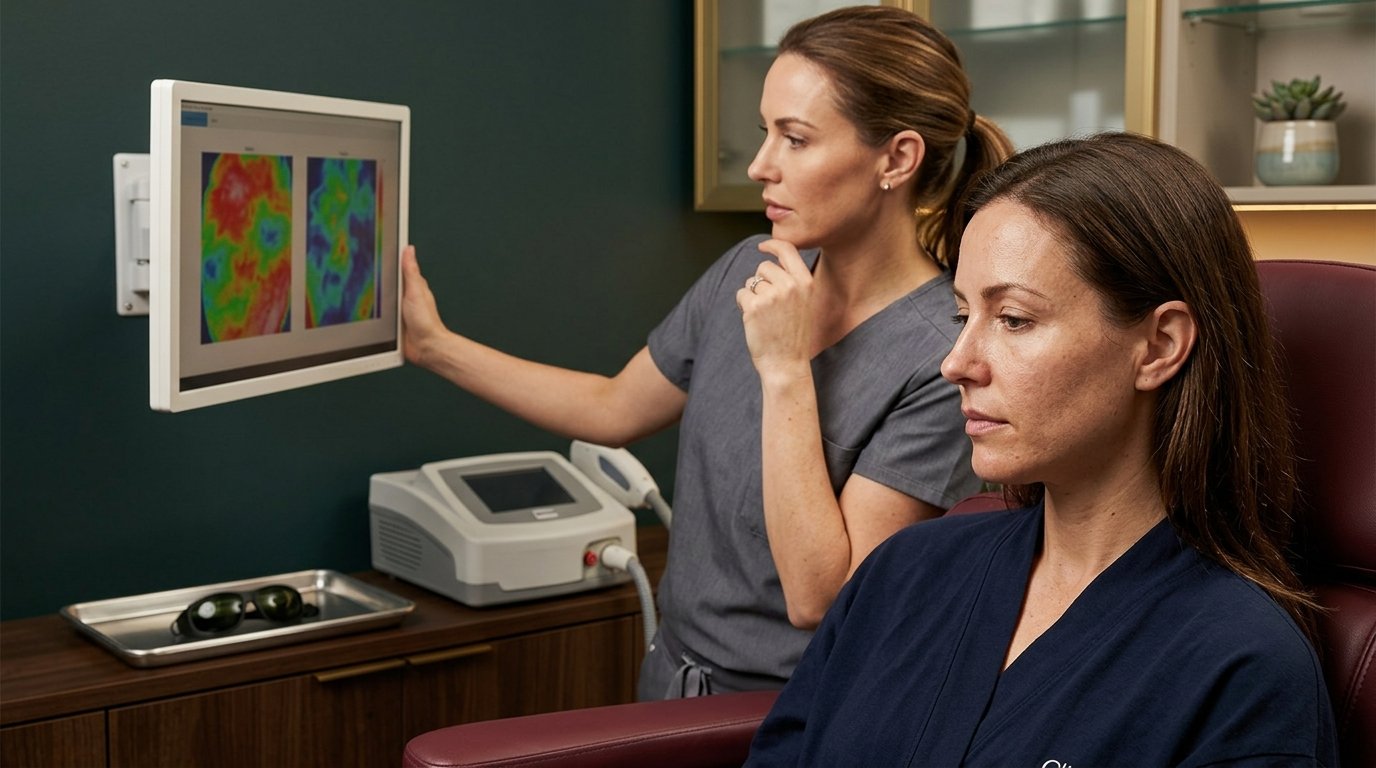
Real decisions rarely begin with a device name. They begin with a person, a target and a set of constraints. These scenarios show how the same BBL-versus-IPL question can lead to different answers without declaring one platform universally superior.
Scenario 1: discrete brown spots after years of sun exposure
A traveller has several flat brown facial marks and asks for the strongest BBL setting because a friend’s spots flaked after one visit. The first task is not choosing BBL or another IPL. Each lesion must be assessed as appropriate for cosmetic light treatment, and the clinician must look for a diffuse melasma background. Recent beach exposure, current tan and history of post-inflammatory pigmentation change the safety margin. If the lesions are suitable, both a BBL system and another professional IPL platform may have relevant pigment filters. The better proposal is the one that explains the diagnosis, selected wavelength band, conservative endpoint, expected temporary darkening and plan if pigment becomes uneven. A provider who promises that every mark will disappear has skipped the central uncertainty.
Scenario 2: rosacea with flushing and visible cheek vessels
A person reports daily flushing, sensitive skin and fine vessels around the nose. One clinic markets a BBL photofacial; another proposes IPL. The comparison should include whether rosacea is controlled, whether papules or ocular symptoms need medical management, and whether the main target is diffuse background redness or individual vessels. Broadband treatment may cover diffuse colour efficiently. A particular vessel could be better suited to a pulsed-dye, KTP or longer-wavelength vascular laser. The most thoughtful clinic may recommend treating inflammation first, using a conservative test area and reassessing after one session. Calling BBL “newer” or IPL “older” does not answer which wavelength, pulse duration and vessel endpoint are appropriate.
Scenario 3: darker phototype with post-acne marks
A client with a deeper skin tone has active acne, brown post-inflammatory marks and shallow scars. A package promises BBL for acne, pigmentation, pores and collagen in one visit. This is a situation where competing epidermal melanin and ongoing inflammation demand caution. The clinician should separate active acne, pigment and structural scars, then explain which problem receives priority. Medical acne control and sun protection may come first. A test spot and conservative filtered-light protocol might be considered for selected marks, but another approach may offer a safer risk-benefit balance. Neither the BBL trademark nor an IPL label guarantees safety in pigmented skin. The provider’s willingness to defer energy treatment is a positive sign.
Scenario 4: event preparation with no clear lesion
A visitor wants “glow” three days before an important event. There is no prominent redness or discrete pigment target, and the person has never had light treatment. A clinic offers an aggressive photofacial because it has little downtime. The timing creates an avoidable risk: unexpected swelling, darkening of unnoticed pigment or irritation could remain visible at the event. A gentler surface or hydration-focused option may better match the short-term goal. If light treatment is still desired, it can be scheduled well before the event with time to observe the response. The best comparison is not BBL versus IPL; it is whether an energy procedure is proportionate to the goal at all.
Scenario 5: large-area photodamage with limited appointment time
A suitable candidate has mixed superficial pigment and vascular change over the face, neck and upper chest. A modern rapid-output BBL platform may offer practical advantages in coverage and workflow. Another IPL system may also have a large spot and suitable filters but require a different pace. Speed matters only after the neck and chest have been assessed separately from the face, because nonfacial areas may respond differently and need conservative parameters. The operator must control overlap and cumulative heat while moving rapidly. A shorter appointment is valuable when it preserves mapping and endpoints; it is not valuable if it compresses consultation, consent or post-treatment review.
What these scenarios have in common
In every case, the answer depends on more than the platform name. A useful comparison identifies the target, competing chromophores, treatment area, current skin condition, tolerance for downtime and follow-up access. It also recognizes when a different laser, medical treatment, facial protocol or no treatment is more appropriate. This reasoning is the difference between selecting technology and simply selling it.
Common BBL vs IPL Myths
Myth 1: BBL is a laser
Reality: BBL is Sciton’s proprietary BroadBand Light technology, part of the intense pulsed-light family. It uses broad-spectrum flashlamp output rather than a laser beam.
Myth 2: IPL is one old machine
Reality: IPL is a technology category containing many platforms, generations and configurations. The exact device matters.
Myth 3: BBL is always stronger
Reality: “Strength” collapses fluence, pulse width, filter, spot size, repetition and cooling into one vague word. More heat is not automatically safer or more effective.
Myth 4: A premium brand guarantees results
Reality: diagnosis, settings, operator, maintenance, skin biology and aftercare influence outcome. A trademark cannot guarantee suitability.
Myth 5: IPL permanently removes every brown spot
Reality: only appropriately diagnosed targets should be treated, clearance may be partial and new pigment can develop. Melasma behaves differently from a lentigo.
Myth 6: No downtime means no reaction
Reality: redness, swelling and temporary darkening may be visible. Burns and pigment complications are possible.
Myth 7: Darker skin can never receive IPL
Reality: risk generally rises as epidermal melanin competes for energy, but suitability depends on platform, target, actual skin, settings and expertise. Sometimes another method is safer.
Myth 8: A test spot guarantees safety
Reality: it can reduce uncertainty but cannot reproduce every overlap, contour or delayed full-area response.
Myth 9: More passes produce more collagen
Reality: extra passes increase thermal load and can increase injury. Each pass needs a defined target.
Myth 10: One session treats redness, pigment, pores, acne and laxity equally
Reality: these are different problems. A session may address more than one chromophore, but outcomes and evidence are not equal for every claim.
A Decision Checklist Before You Book
Green lights
- the clinic names the exact platform and model;
- the provider identifies a specific target rather than promising general perfection;
- suspicious or uncertain lesions are referred for diagnosis;
- your tan, skin tone, melasma and medication history affect the plan;
- filters, cooling and expected endpoint are explained plainly;
- eye protection is non-negotiable;
- realistic partial outcomes and recurrence are discussed;
- written aftercare and an escalation route are provided;
- the clinic is comfortable postponing treatment.
Yellow lights
- the clinic uses BBL and IPL interchangeably without knowing the model;
- all candidates are sold the same package;
- the only evidence is a gallery or influencer video;
- the consultation occurs entirely through edited photographs;
- the plan depends on treating immediately before travel;
- maintenance is sold before your first response is known.
Red lights
- no history, examination, consent or eye protection;
- guaranteed melasma cure, pore closure or permanent redness removal;
- treating over a suspicious mole or active infection;
- encouraging pain or blistering as proof of effectiveness;
- no one available to manage complications;
- pressure to hide medication, tan or skin disease;
- refusal to identify the device.
Final comparison worksheet
| Item | Clinic A | Clinic B |
|---|---|---|
| Diagnosis and main target | ||
| Manufacturer, model and handpiece | ||
| Filter and pulse rationale | ||
| Operator and parameter decision-maker | ||
| Cooling and eye protection | ||
| Expected sessions and endpoint | ||
| Aftercare and follow-up | ||
| Complication pathway | ||
| Alternatives discussed |
Frequently Asked Questions
Is BBL better than IPL?
Not as a universal statement. BBL is a proprietary IPL platform family with specific features. Another professional IPL system may be appropriate for the same broad target. Compare diagnosis, exact device, controls, operator and follow-up.
Is BBL a laser?
No. It uses broad-spectrum intense pulsed light from a flashlamp. “BBL laser” is a common search phrase, not the technical category.
What does BroadBand Light mean?
It refers to a broad range of light wavelengths shaped by filters and system controls. BroadBand Light is also Sciton’s trademarked technology name.
Can BBL and IPL treat the same concerns?
They can overlap for selected benign pigment, superficial vascular concerns, photodamage and certain other indications. The exact platform configuration and protocol determine capability.
Which is safer for darker skin?
No acronym answers this. Epidermal melanin increases competing absorption. Safety depends on diagnosis, wavelength band, pulse duration, fluence, cooling, tan status and experience. Another technology may be preferred.
Can IPL worsen melasma?
Yes, heat and inflammation can worsen or trigger pigment in susceptible people. Some protocols may help selected melasma, but recurrence and rebound must be discussed.
Will brown spots get darker first?
Appropriately treated superficial pigment often darkens temporarily before shedding or fading. Painful, blistered or diffuse darkening should be reviewed.
How long is downtime?
Many people have redness for hours to a few days, with swelling or darkened spots lasting longer. Settings, target and skin response vary. Plan conservatively for events.
How many sessions will I need?
It depends on diagnosis and response. Some discrete pigment changes may improve after one session; diffuse redness, hair reduction or broader photodamage often require a series. Avoid a guaranteed number before assessment.
Does a higher fluence give a better result?
No. Fluence must be balanced with pulse duration, filter, cooling, skin and target. Excess energy can burn the epidermis without improving the intended outcome.
Can BBL remove pores?
No treatment permanently removes pores. Improvements in colour, oiliness or texture may make them look less visible.
Can BBL tighten loose skin?
Some protocols are marketed for skin-quality or firming effects, but they do not reproduce surgery. Ask what degree of change is supported for the specific protocol.
Is IPL suitable for active acne?
Some protocols may help selected inflammatory acne, but evidence and device indications vary. Acne severity, scarring risk and medical treatments should be assessed first.
Can treatment be done over tattoos or permanent makeup?
Pigment can absorb energy unpredictably and may burn or change colour. These areas are generally avoided or protected according to device guidance and professional assessment.
Why is eye protection necessary if my eyes are closed?
Eyelids do not block all high-intensity light. Correct protective eyewear is essential, and periocular treatment needs specialized safeguards.
Can I fly the same day?
A flight may be physically possible after a routine session, but immediate departure reduces access to follow-up and can make swelling or dryness inconvenient. A first treatment is better planned with observation time.
Can I wear makeup afterward?
Only when the skin is intact and the clinic permits it. Do not cover blistering or open skin. Use clean products and gentle removal.
When can I restart retinol or acids?
Follow the treating clinic’s written interval. Restarting too early can increase irritation and pigment risk.
What if the clinic will not identify the device?
Do not proceed. Manufacturer, model and intended protocol are basic information needed for informed consent.
What is the most important difference between clinics?
Often it is not BBL versus IPL but the quality of assessment, parameter judgment, maintenance, safety practice and follow-up.
Sources and Medical Notice
This guide was reviewed against current manufacturer information and independent dermatology literature on 19 October 2026. Manufacturer pages are used to identify branded technology and claimed platform features; independent sources are used for mechanism, evidence limitations and safety context.
- Sciton: BBL HEROic.
- Sciton: Broadband Light Therapy.
- American Society for Dermatologic Surgery: Intense Pulsed Light Therapy.
- American Academy of Dermatology: Lasers and Lights for Rosacea.
- Systematic review: efficacy and safety of IPL in rosacea.
- Review: lasers and intense pulsed light in dermatology.
- Review: current trends in intense pulsed light.
- Review: energy-based skin rejuvenation mechanisms and thermal effects.
- US FDA product classification: intense pulse light.
Medical notice: This article is general education, not a diagnosis, prescription or personal treatment recommendation. Device availability, authorized indications, professional scope and legal requirements vary by country and setting. A qualified clinician who examines the skin and knows the exact platform should determine suitability, parameters and aftercare.


